



In northern Pakistan people are facing the cold of winter in very trying circumstances. In 2010 floods destroyed villages across the country and families lost their homes and all their belongings. Despite aid provided by the Government and non-government organizations (NGOs) many people still lack the basic necessities. The scale of the disaster is huge and the needs are seemingly endless.
Just in time for the colder season, The Salvation Army obtained funds from its Canada and Bermuda Territory to purchase and distribute winterized tents. These tents have several layers of material to ensure there is as much insulation as possible. In the area near Peshawar, 700 families have each received a tent. A winterized tent will not provide luxury accommodation but the reality is that it could mean the difference between life and death.
The Salvation Army in Pakistan is also looking at longer-term sustainable development projects. A community assessment trip took place to find out how people in affected communities want to change their situation. These trips include community mapping – ensuring the views of the whole community are taken into account – community walks, interviews and discussions with men and women. The process seeks to involve beneficiaries in all steps of the decision-making process regarding their future.
With new disasters happening around the world many people seem to have forgotten about the huge floods that hit Pakistan last year, affecting more than 20 million people. Fortunately, The Salvation Army in Pakistan has not stopped caring and it is still assisting countless people affected by the disaster.
In the face of such adversity, people in Pakistan are demonstrating that they have an abundance of strength, knowledge, courage and ideas. Sometimes it just needs an organization like The Salvation Army to get alongside them and give them the opportunity to improve their situation.
Living History is an ongoing series showcasing just a small assortment of the more than 350,000 items housed at The Salvation Army Heritage Centre in Toronto. This month, we spotlight four trowels in the centre’s collection.
Stephen Moorgen is the modern slavery and human trafficking (MSHT) response facilitator in the Prairies and Northern Territories Division. Tell us about the origins of your faith. I am a first-generation Canadian with Black West Indian and East Indian heritage. I grew up in the Christian community and was a youth and young adult pastor for four
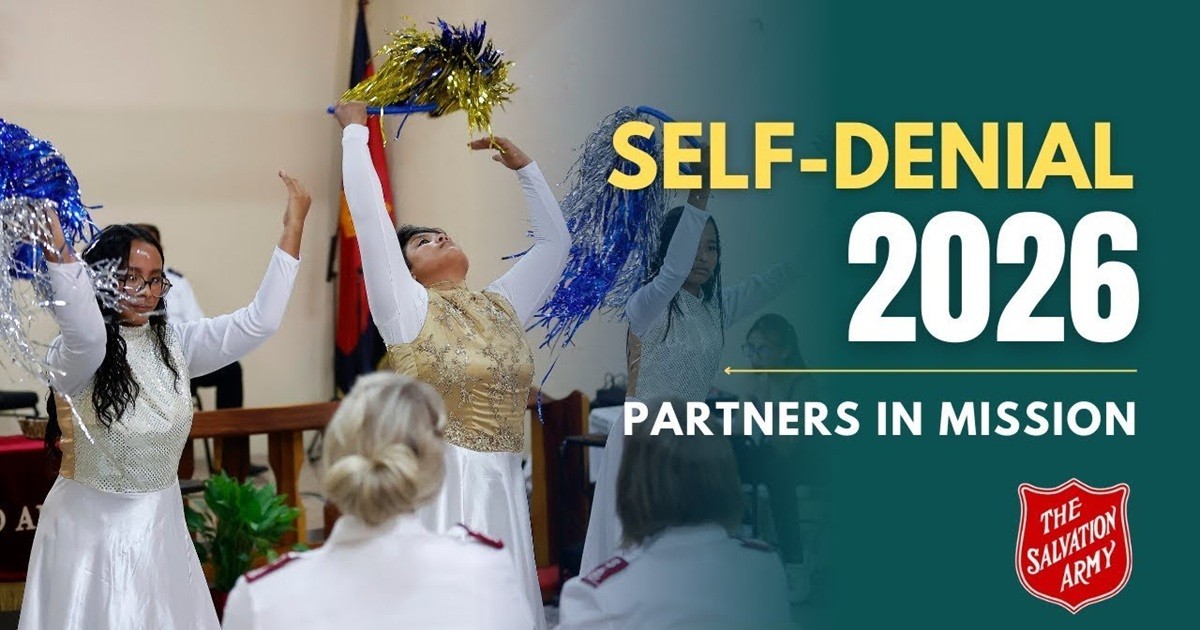
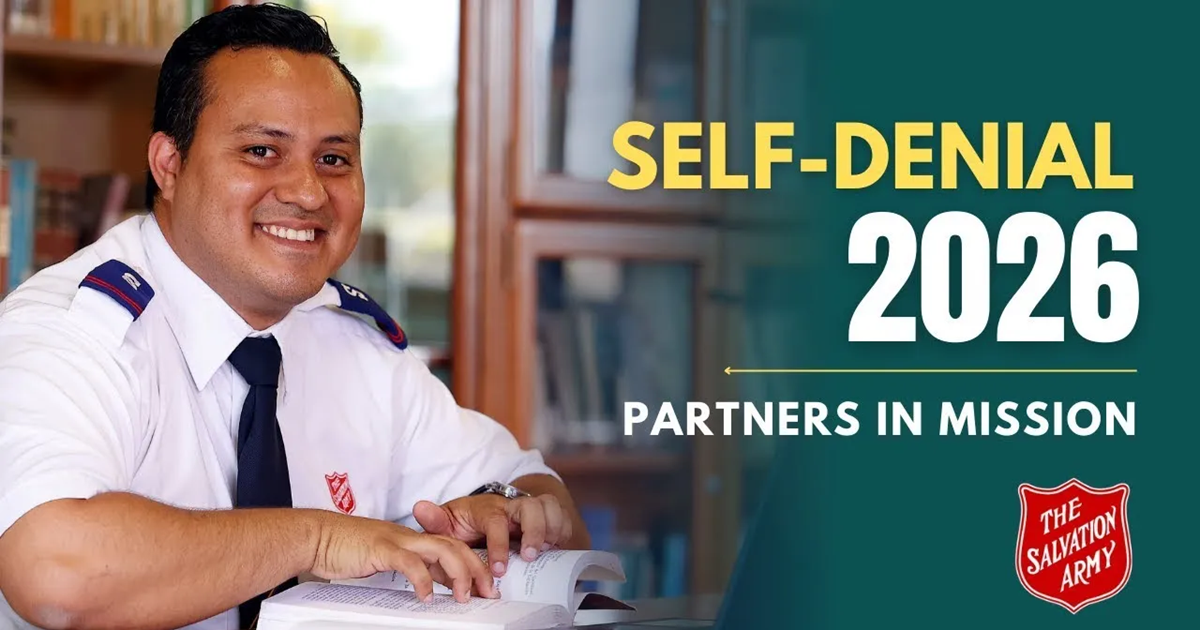
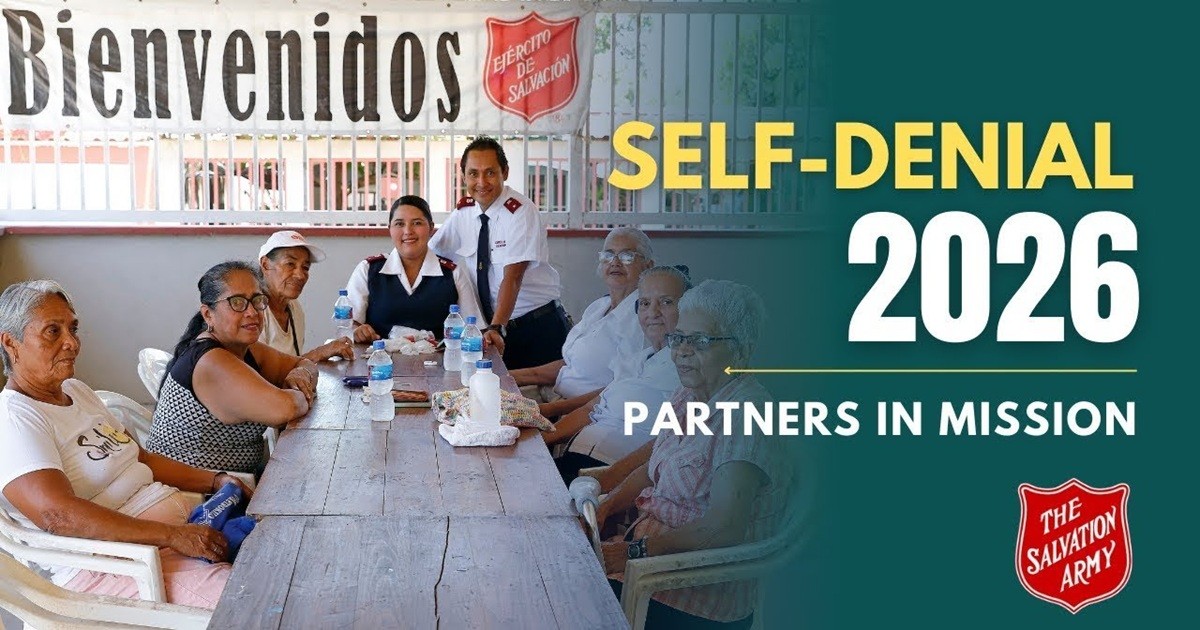
The Salvation Army’s ministry in the Latin America North Territory—spanning 10 Spanish-speaking countries—is a vibrant expression of faith, culture and compassion. This photo essay focuses on Costa Rica and Panama, where God’s love is lived out in classrooms, corps halls, seniors’ homes, migrant shelters and a training college.
Leave a Comment