

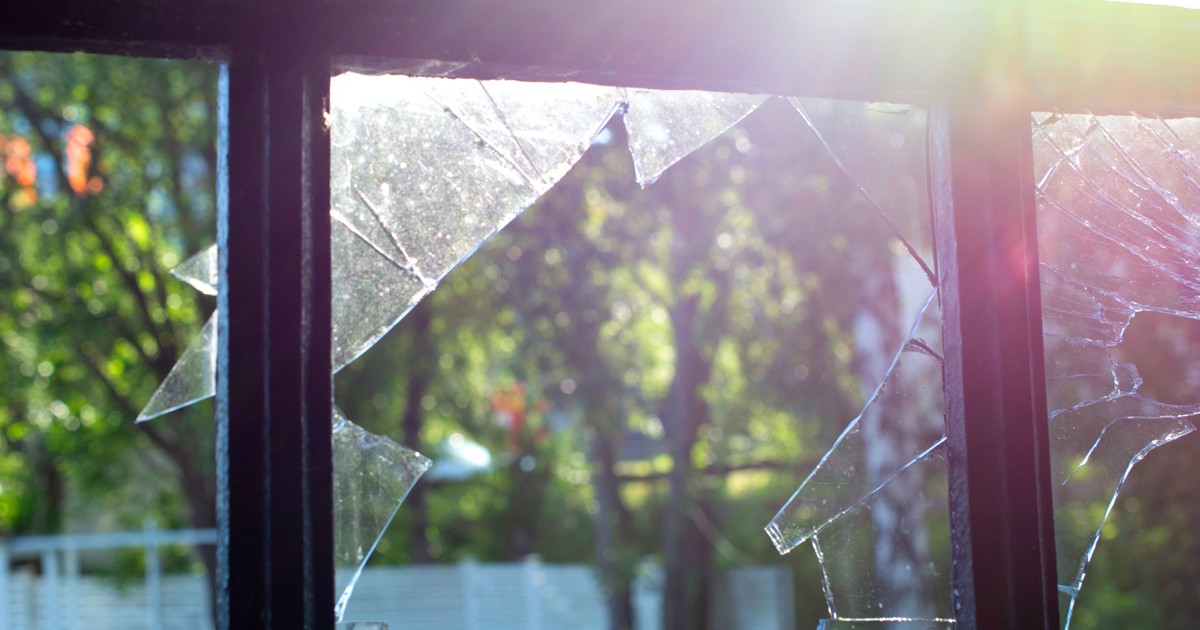
When boys playing hockey in the back alley accidentally shot a rock through her window, it left an elderly woman shaken and afraid. She was recently widowed, and nervous about living alone. She didn’t know it was an accident and worried if she could still live in her home safely. An RCMP investigation discovered what had happened, and the boys accepted responsibility. The police referred the situation to The Salvation Army’s restorative justice program in Swift Current, Sask.
“Restorative justice is about bringing people involved in crime or conflict together to repair the harm that’s been done, as much as possible, and to restore relationships,” says Pamela Hamlin Kritzer, co-ordinator for the program. “We provide a way for victims and offenders to achieve healing, reconciliation and understanding, with the help of a trained mediator. It’s a path of creating healthier and safer communities through conversation.”
Making Things Better
These two programs—alternative measures for adults and extrajudicial sanctions for youth—are supported by the Saskatchewan Ministry of Justice. They are formal alternatives to the criminal court system—a way to hold people accountable for their actions and also give victims a voice.
“With this approach, you connect as human beings—something that’s not as possible in the traditional justice system,” says Hamlin Kritzer. “Everybody makes mistakes. The question is, what are we going to do about it now? How can we make things right—or how right can we make this? You can’t undo anything, but you can make things better.”
Hamlin Kritzer receives files in three ways: from the RCMP, before any criminal charges are laid (with the approval of the Crown prosecutor); from the Crown, after charges are laid; and from the community, for noncriminal conflicts such as disputes between neighbours. Not every criminal code offence is eligible for alternative measures. Some of the common referrals include theft under $5,000, mischief, possession of stolen property, common assault or causing a disturbance.
After a referral, program staff meet with the offender to make sure they take full responsibility for their actions and are prepared to repair the harm. Then they contact the victim to see if they want to participate in a restorative justice meeting. Close to 90 percent of victims do choose to participate.
“We are a victim-centred process, and our goal is to have the victim as involved as they want to be,” she says.
Victims can choose to be present in person, join by phone or video conference, write a letter or send a representative. For those who prefer, a surrogate victim can be provided to participate on their behalf.
The next step is a meeting between the offender, victim and a trained mediator, along with any relevant family or community members. Victims can share how the crime affected them, ask questions of the person who harmed them, and give input into how to repair the harm.
“You have a say. Your voice is heard,” says Hamlin Kritzer. “It’s not like you can say, ‘I want X’ and it’s done. It’s not that straightforward. But we want to hear from you. And often, we find what a victim thinks they want, what they think is going to help them sleep at night—a jail sentence, or whatever—is not really what their soul needs.
“The victims can be angry, they can be scared, but when they see the other person, truly see the other person, there’s a lot of value in that for everybody.”
Repairing the Harm
During the meeting, the offender and victim come to an agreement about how to resolve the conflict. The agreement requirements often include an apology, restitution, a donation to charity, community service or counselling. If the offender successfully completes the requirements, they will not have a criminal record for the offence.
“On the surface, it looks like we’re helping the offenders, and we are—but it’s not a slap on the wrist,” says Hamlin Kritzer. “The bigger picture is that they also get a chance to be heard, and to get help for whatever led them to that spot. It’s recognizing that this person might need help with mental health or addiction, counselling or parenting lessons, or whatever the situation is.
“What we do is reach them when they’re ready to accept help and provide accountability they may never have had before.”
This process of repair, reconciliation and restoration is at the heart of The Salvation Army’s mission.
“To go from being viewed as somebody who you don’t really want to be, and to have an opportunity to change—to write that heartfelt apology, to make that donation to the food bank, to fix that window, to do something that makes you proud of who you are—is more than you could imagine. It can change the path you are on,” she says.
The program generally has about 70 clients, with up to 100 charges or conflicts addressed and resolved every year. Most offenders complete the agreement requirements, and the rate of re-offending is very low, contributing to a safer community. This process also frees police and court resources for emergencies and complex criminal matters.
“We’re here for the long game—for the victim, offender and community,” says Hamlin Kritzer.
In the case of the elderly widow, the boys apologized for breaking her window. They didn’t have the money to repay her for replacing the window, but after some brainstorming, they agreed to take care of her lawn for the summer. And in the end, that led to spending time on her porch, sharing iced tea.
“This is a great example of how restorative justice works,” says Hamlin Kritzer. “The woman was no longer afraid to stay in her home, and the boys learned many valuable lessons—about respecting property, that honesty is the best policy—but also that they have a very nice elderly neighbour.”
Photo: PAWEL KOLESNIK/iStock via Getty Images Plus


Leave a Comment