




The Salvation Army in the Canada and Bermuda Territory has committed to a journey of reconciliation with Indigenous Peoples. Along this journey, a land acknowledgment can be a tangible way to demonstrate a professional commitment to truth and reconciliation by recognizing the deep relationship between lands and peoples.
Land acknowledgments are rooted in the traditional Indigenous teachings of recognizing and honouring the peoples, lands, waters and relationships that have sustained communities since time immemorial.
Traditionally, acknowledgments were offered to express gratitude and respect when visiting the territory of another nation or community. Because Indigenous Peoples have diverse cultures, languages, histories and protocols, there is no single or universal way to offer a land acknowledgment. Meaningful acknowledgments are grounded in learning about the land, its original stewards and our ongoing responsibilities to one another and to creation.
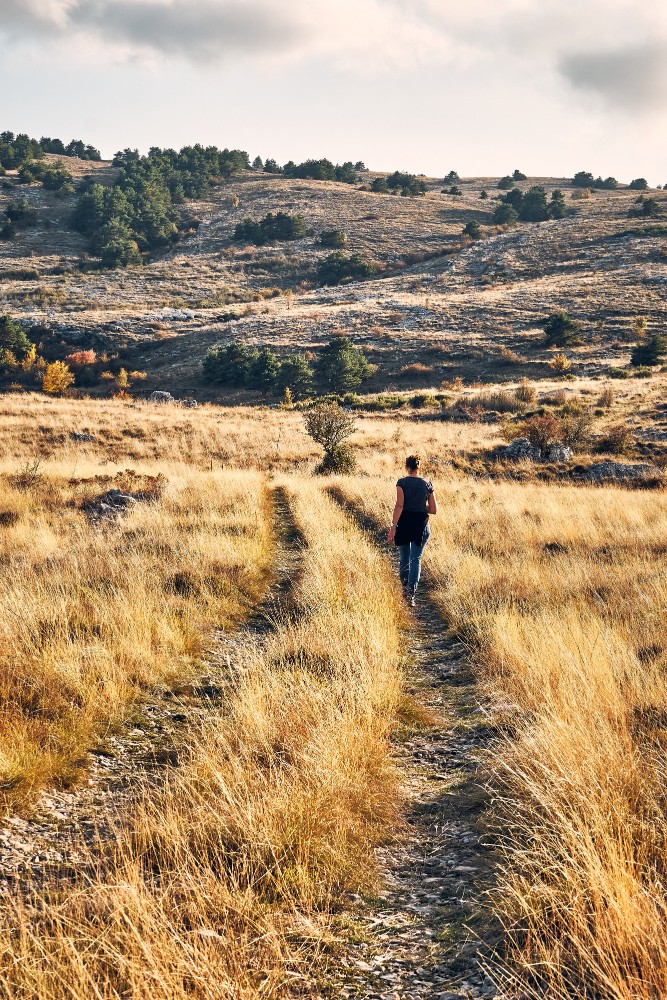
As you prepare to write your own land acknowledgment, draw on the observation and reflections from your time spent on the land. Consider what you saw, heard and felt and reflect on how these experiences have deepened your understanding of your relationship with the land. Let these insights guide your words as you express gratitude, respect and a commitment to ongoing learning and reconciliation.Use the questions below to guide your reflection and begin drafting your acknowledgment:
I acknowledge that I am living in , the traditional territory of .
I appreciate that the original custodians of these lands have taken care of this place so that I might enjoy .
Through my time of reflection, I noticed .
I acknowledge the painful history of colonialism, including and I commit to .
We are grateful for the gifts of the land and I hope we .
Once you have filled in your responses, download your land acknowledgment and continue refining it in your own words.

Before finalizing your land acknowledgment, consider if it includes:
Use your responses to these questions to write your final land acknowledgment in your own words.
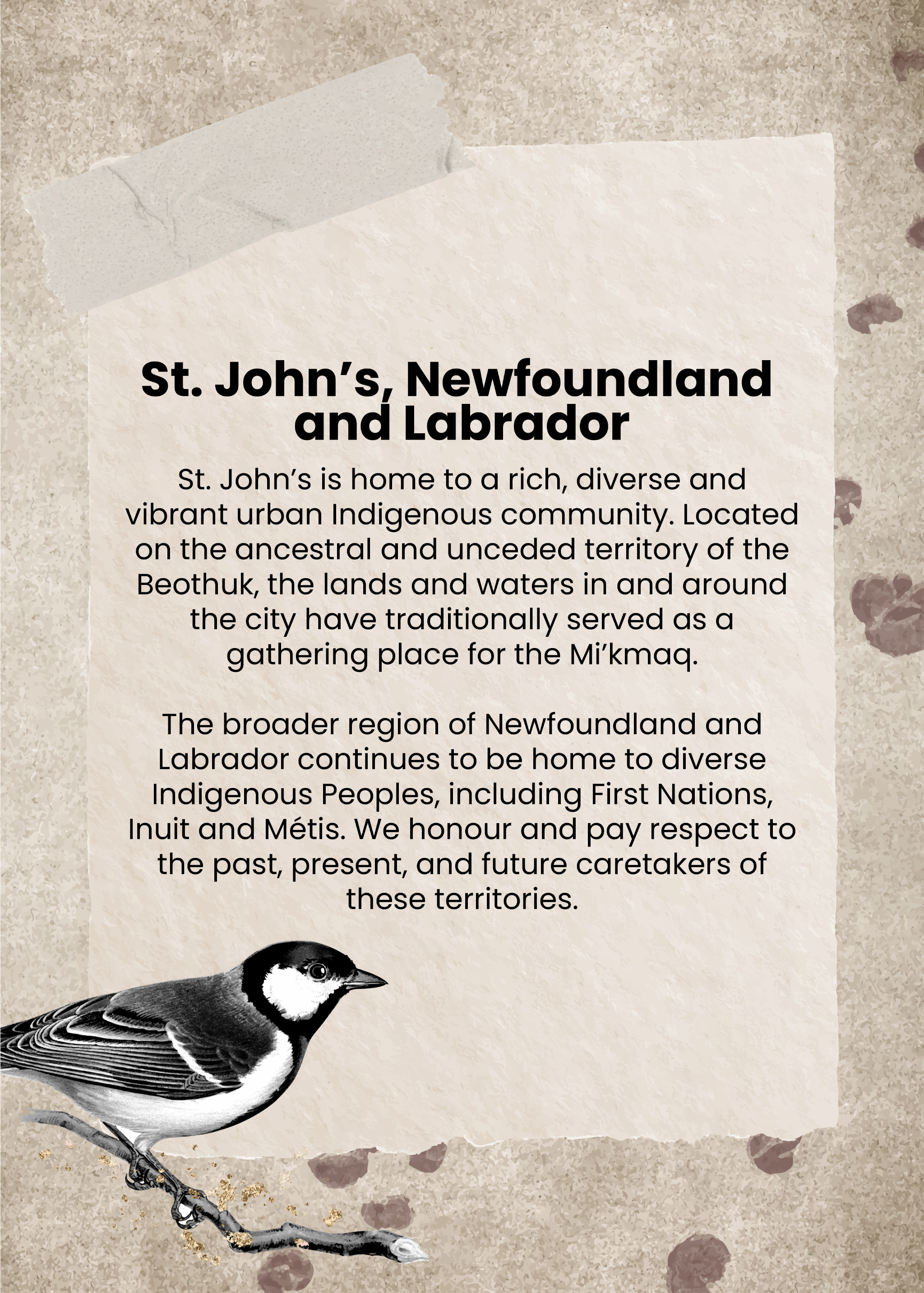
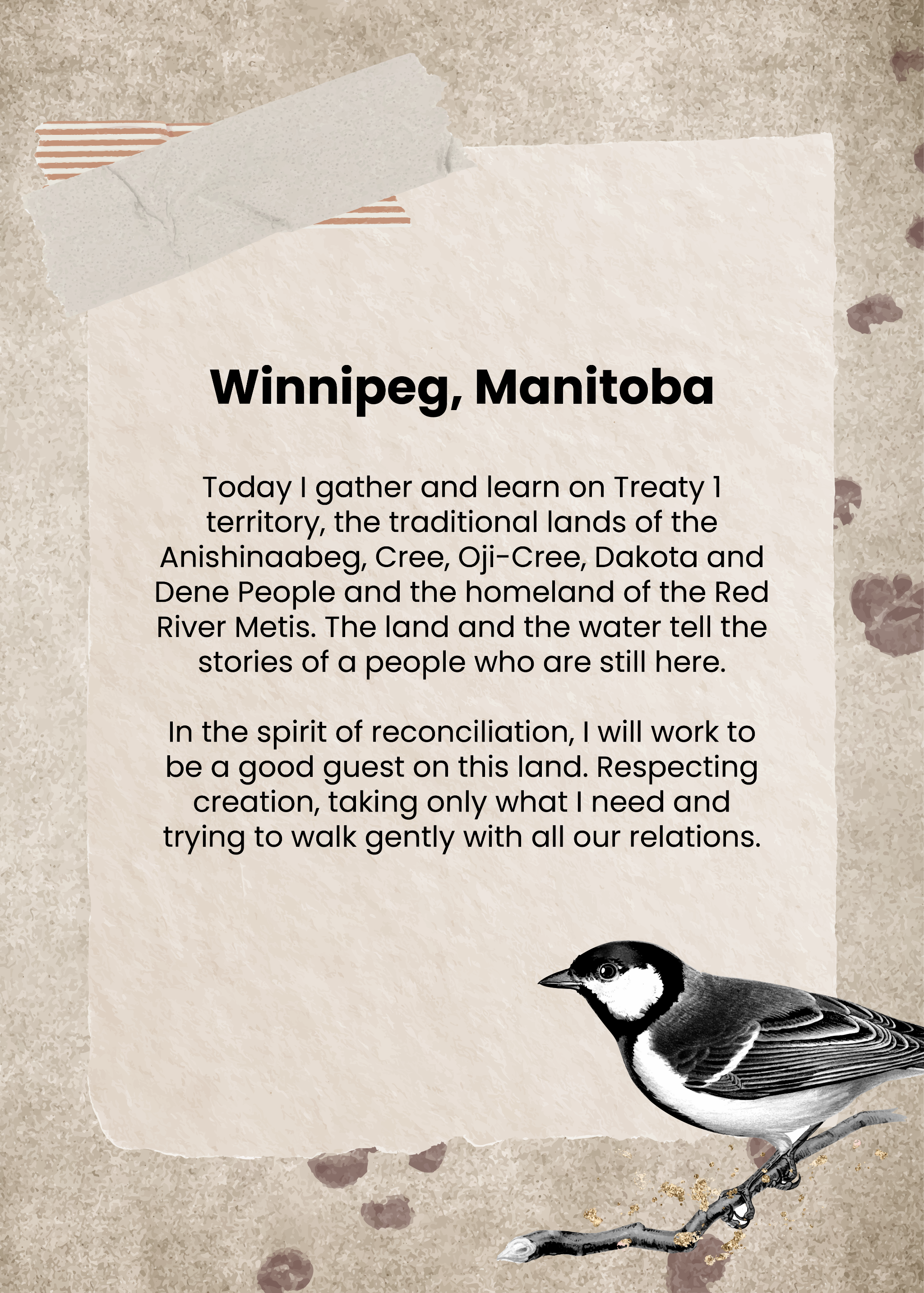
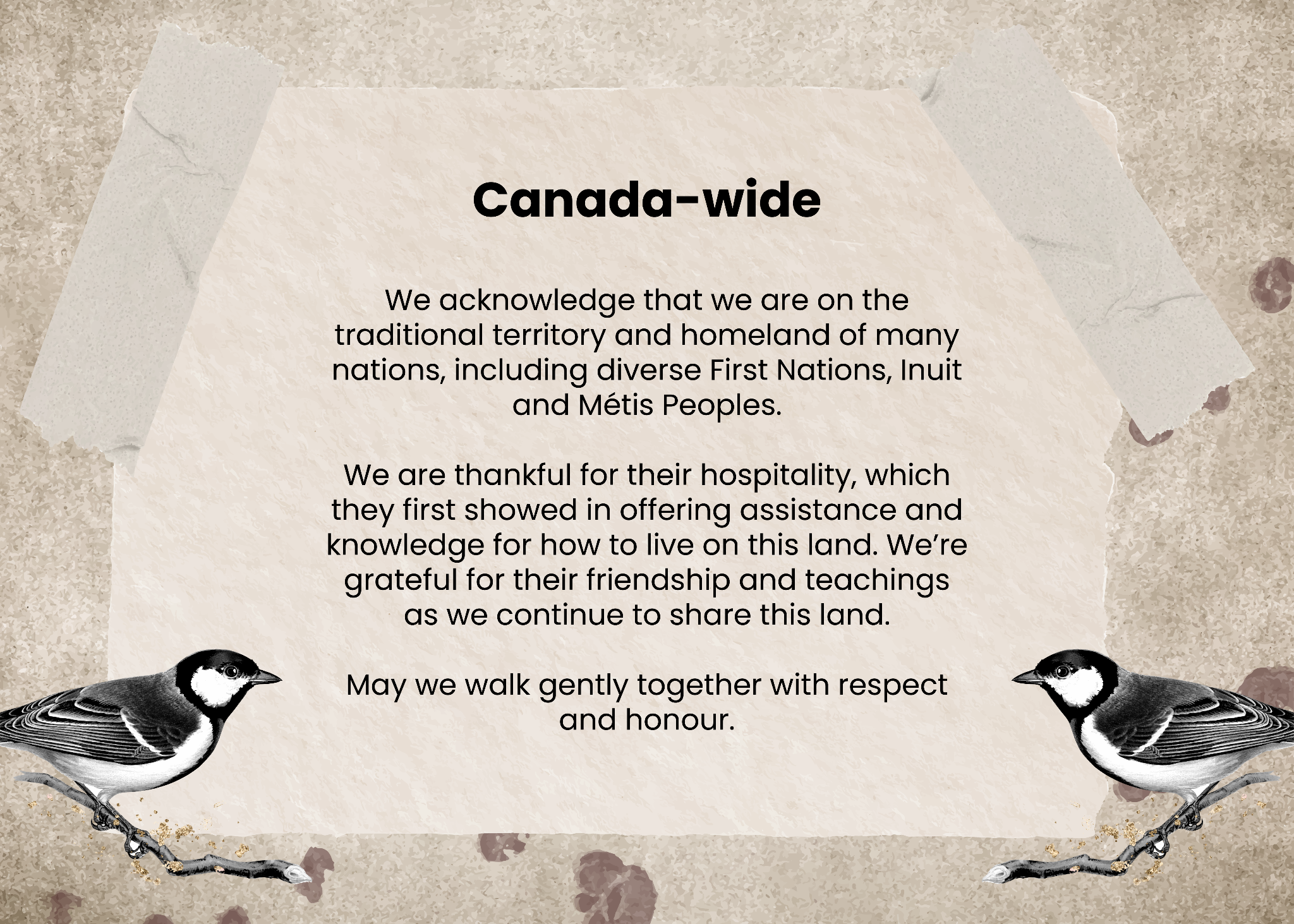
Sample Land Acknowledgments
Share your Land Acknowledgment
Have you completed your land acknowledgment? We invite you to share your reflections with our online community. Take a screenshot of your land acknowledgment, share a photo from your walk or place of reflection, or write a post about what you learned through this experience.
Together, we can continue the conversation, deepen our understanding and learn from one another's journeys.