


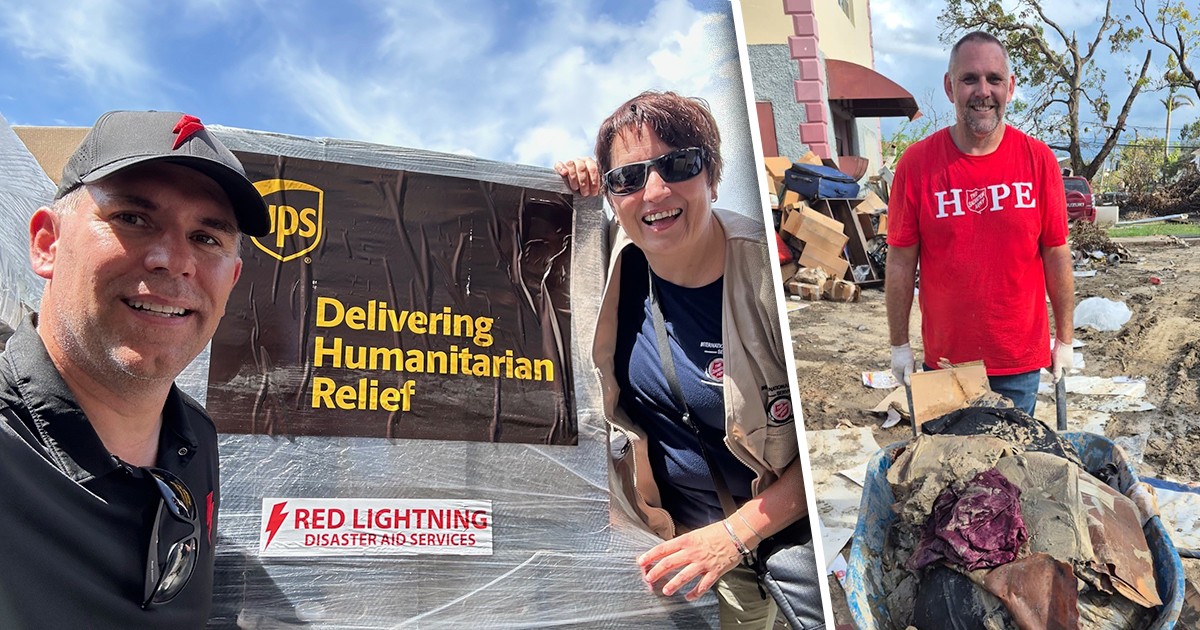
(above, left) Mike Shiffler with Damaris Frick, The Salvation Army’s international emergency services director. Shiffler, from Red Lightning, visited the EDS team in Kingston, Jamaica, and brought several units of Starlinks, batteries, solar panels and generators
(above, right) A volunteer clears debris at the DHQ compound in Montego Bay, Jamaica
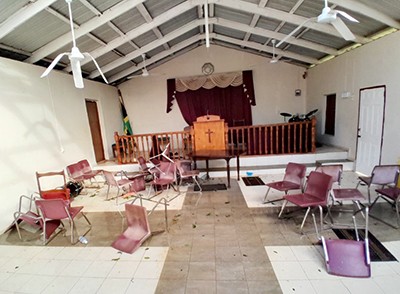
On October 28, 2025, hurricane Melissa made landfall in southwest Jamaica as a category 5 storm, quickly becoming the third strongest hurricane on record in the Atlantic Ocean.
The devastation across Jamaica was extensive. The tropical cyclone severely affected western Jamaica, including St.Elizabeth, Westmoreland, St. James, Hanover and parts of Trelawny. Sustained winds reached up to 298 kilometres per hour, flattening homes, farms, roads and critical infrastructure. After sweeping through Jamaica, the storm struck Cuba and continued across the Caribbean, affecting communities in Haiti, the Bahamas, Bermuda and Dominican Republic.
Severe weather conditions persisted following landfall, with ongoing risks of flash flooding and landslides as emergency response teams mobilized on the ground.
More than 1.6 million people have been affected, with 90,000 families experiencing severe effects, and an estimated 190,000 buildings sustained major to catastrophic damage. The country now faces widespread disruption, including damage to infrastructure and essential services. In the aftermath, many individuals and families have been dealing with displacement, power outages, loss of income and food insecurity.
Jamaica is also facing significant agricultural losses. Vital crops, such as yams, cassava and pumpkins, as well as livestock, have been destroyed by the storm. According to reports by the United Nations Office for the Co-ordination of Humanitarian Affairs (UNOCHA), up to 360,000 people are currently facing food insecurity due to shortages caused by the disaster.
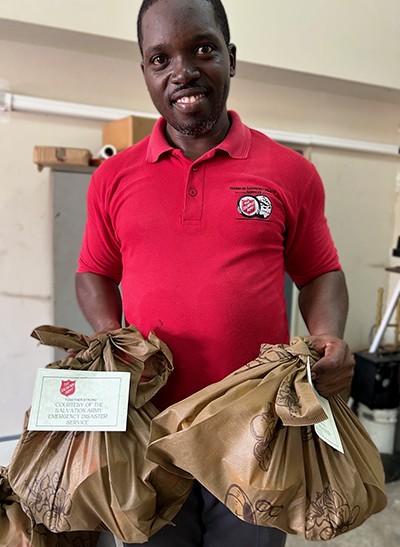
The Salvation Army’s presence in Jamaica includes two divisions, 42 corps and nine outposts. Before the storms, the divisions took proactive steps to prepare for severe weather, including visiting their corps communities to encourage residents to move to government-designated shelters, and persuading those living on the street to seek safety in evacuation shelters.
Of the 29 Salvation Army corps in the Jamaica Western Division, 22 have experienced major to catastrophic damage.
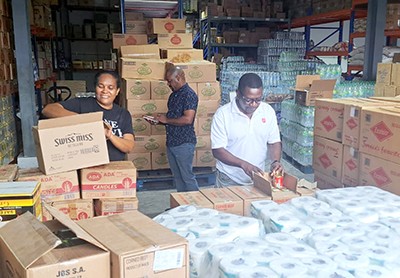
The international Salvation Army responded swiftly, dispatching teams of personnel from across Australia, Iceland, Canada, England and the United States. These teams provided direct support to those 22 affected corps and their surrounding communities. Weekly distributions of vital supplies included food, water, Starlink and communications equipment, and other essential items.
The Salvation Army currently has base warehouse operations in Kingston, Spanish Town (in partnership with Convoy of Hope) and Montego Bay, and the Caribbean territorial headquarters is operating as an incident command centre.
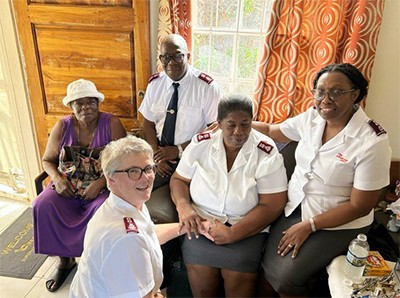
Since October, The Salvation Army has distributed more than 7,600 food parcels to families; 59,000 cooked meals and 91,380 individual meal kits; 14,700 hygiene items; 5,400 care parcels including items such as flashlights, blankets and socks; bags of clothing; shelter items, such as tarps and tents; communication items, such as generators and solar panels; paper products, baby items and cleaning supplies. Additionally, officers, volunteers and mission partners continue to provide on-the-ground emotional and spiritual care to survivors.
“Hurricane Melissa has left many communities in need, and The Salvation Army is committed to providing relief wherever it is needed most,” says Major Elaine Locke, project campaign manager, international development. “We are thankful for the continued generosity, prayers and encouragement of our supporters. It truly enables The Salvation Army to stand alongside those affected and help them begin to rebuild.”
Photos: The Salvation Army IHQ Communications Flickr


Leave a Comment