



The role of a chaplain is to provide spiritual and pastoral care to people in need, in settings outside the church. In The Salvation Army, chaplains can be found across the social mission landscape—in health care, emergency shelters, addiction and recovery centres, correctional and justice services—walking alongside people as they navigate difficult circumstances and in times of crisis. They are a kind of “spiritual paramedic.”
Captain Kath Walker has been a chaplain with the Army for seven years, first at Belkin Communities of Hope in Vancouver, and now with Peel Shelters and Housing Services in Mississauga, Ont. While traditional chaplaincy programs, such as chapels and Bible studies, are still part of her work, she journeys with people of all beliefs and backgrounds and relies on a holistic model of spiritual health that helps people build and strengthen their relationships in four areas: with self, with others, with nature and with God (or a higher power).
Recognizing that everyone is in different places on their spiritual journeys, Captain Walker has developed programs, under the overall banner of Creative Connections, that support each of these four elements. Through art, music and nature, combined with spiritual formation from within the Christian tradition, she is creating entry points to faith.
Each session begins with a simple meditation, an invitation to stillness, to help people enter sacred or holy space, and includes a “soul habit.”
What follows are some of the creative activities and spiritual practices she has designed, with suggestions for how to adapt them to your ministry setting.
Art
The first element of Creative Connections addresses the relationship with self—helping people find meaning and purpose, identify their values and express their feelings—through art. We are made in the image of God, the Creator, and being creative helps us connect with ourselves and others.
Workshops and Activities
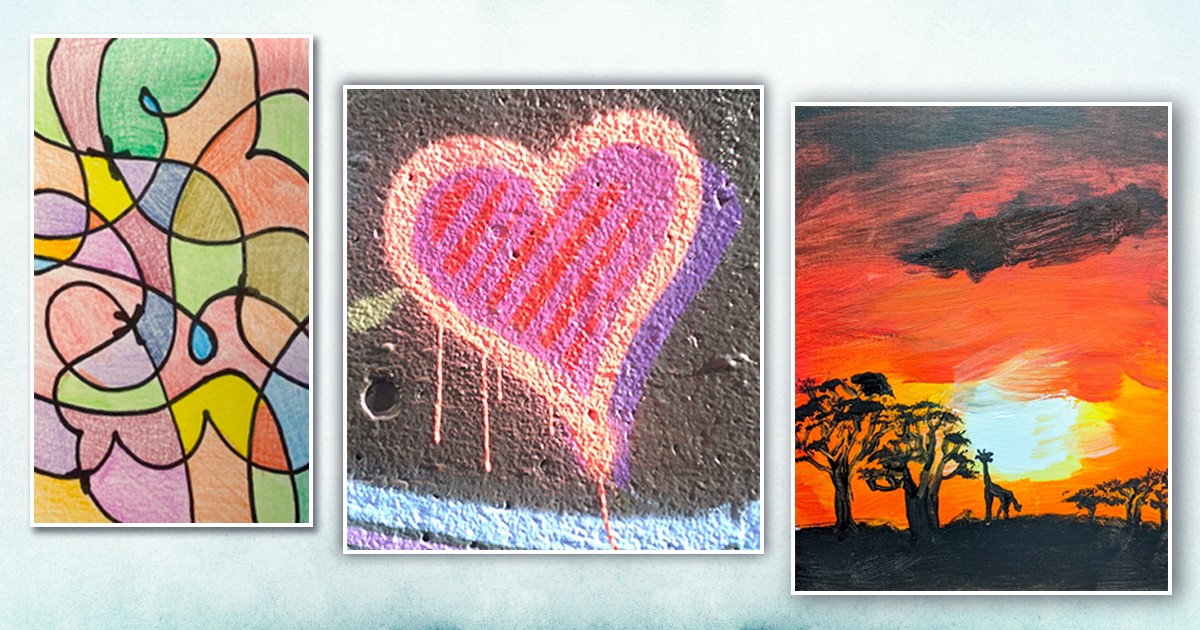
- Neurographic Art. A meditative approach to art based on the work of Russian psychologist Pavel Piskarev, this technique of freeform lines seeks to transform stress into imaginative art. Find a resource here: neurographic art.
- Photography Walk. Taking pictures while going for a walk can help people become more aware of and attentive to their surroundings. Using a walking tour map, go for a walk in an urban area and look for unexpected examples of beauty and peace among the concrete, cars and bustle. Or go for a walk in nature, inviting everyone to find “glimpses of hope.”
- Learn to Paint. Try a step-by-step painting lesson, such as this “Safari Sunset.”
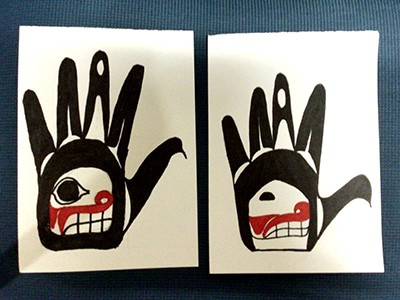
Note: You don’t need to be an artist to lead art workshops. There are many online tutorials available or consider asking a guest to lead a session. At Belkin Communities of Hope, Captain Walker showed two video art workshops by Gitxsan artist Michelle Stoney (mstoneyart.ca/services) and Captain Crystal Porter, territorial Indigenous ministries consultant, taught a course on beading.
Soul Habit: Invitation to wonder. Visio divina is a prayer practice like lectio divina, only we meditate on an image rather than Scripture. The goal is to encounter God’s presence in what we see, rather than what we read. God, as recorded in Scripture, often spoke to people through visions and dreams. This practice invites God to speak to us through the sense of sight. Scott Erickson, an artist seeking to create a “visual vocabulary for the spiritual journey,” offers imagery for contemplative conversations here.
has a powerful effect on well-being
Music
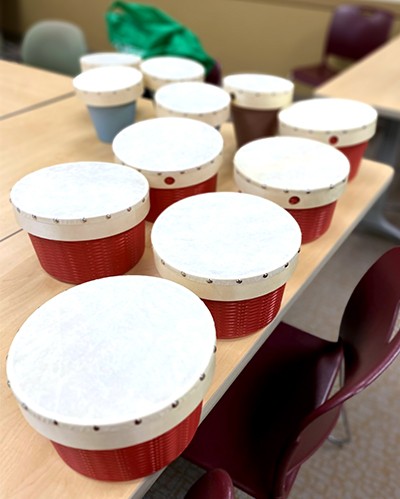
The second element of Creative Connections is developing relationships with others. Music is not only enjoyable, but it can also have a powerful effect on well-being. Research shows it can reduce levels of anxiety and help people regulate their emotions. And the effect is increased by playing or singing music, rather than just listening to it. Playing music has been shown to release several neural peptides associated with increased levels of empathy and trust. Involvement in group music making promotes social connection and a sense of belonging.
Activity
Rhythm2Recovery is a fun, no experience needed, everyone welcome, rhythmic music group. Participants come and have fun making music together, discover the impact it can have on emotional stability, and reflect on what helps maintain recovery and resilience. Visit rhythm2recovery.com for more information.
For further reading: Rhythm to Recovery: A Practical Guide to Using Rhythmic Music, Voice and Movement for Social and Emotional Development by Simon Faulkner
Note: If a rhythm group won’t work in your context, is there another way you could bring people together through music? What about a sing-along or karaoke?
Soul Habit: Pair music with a reflective discussion that touches on spiritual themes.
- Identify stabilizing activities, people and practices.
- Identify feelings.
- Identify what helps someone manage change/transitions.
- Let go of things from the past that hold us back.
- Identify hopes for the future to hold on to and personal fears of the future to let go.
- Identify things that assist you in “bouncing back.”
- Reframe hardships.
- Consider how lyrics can inspire and help people face challenges.
- Identify strengths.
- Practise gratitude.
Nature
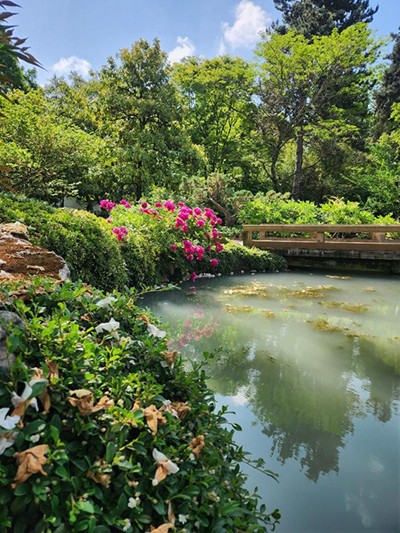
The third element of Creative Connections is nurturing a relationship with nature. Spending time in nature has mental, physical and emotional benefits. Movement helps people connect to their bodies, regulates mood, reduces stress, improves sleep quality and supports healthy habits. Doing physical activity with others also fosters connection and support. But even more, being in nature gives us a sense of something greater than ourselves. Experiencing the beauty and wonder of the created world connects us to the Creator, pointing our eyes to God and our hearts to praise. All creation resounds to his glory.
Activity
Take a group to a park or walking trail. Try birdwatching, identifying plants or plan a scavenger hunt. In the winter, go tobogganing or skating, or explore a tropical conservatory. Encourage people to engage all their senses.
Note: A community garden—or even a container or rooftop garden—is also a great way to build connections with nature. In a fast-paced world, it’s a beautiful reminder that things take time. God is working on us to break up hard soil.
Soul Habit: Lectio divina in nature.
It has been said that God has given humanity two books: the book of Scripture and the book of nature. This lectio divina practice builds on the practice of awareness, allowing God to speak through his creation. Find a place to be still and breathe slowly. Remember that God is present. Notice what stands out or calls your attention. Ponder what God is saying to you in this moment. You may wish to journal. Respond in prayer and gratitude.
For further insight: Lectio Divina: Reading the Book of Nature
Joy, Grief and Hope
Each of these activities is designed to nurture the relationships that lead to spiritual and mental health and foster a sense of community. They also build trusting connections with the chaplaincy team, opening the door to further conversation.
The spiritual journey begins long before a decision for Christ. Chaplains offer spiritual care that recognizes this reality. Are people making progress? Are they learning to forgive? Are they starting to trust? Are they finding meaning and solace in their lives? Are they moving closer to Christ? The work of chaplaincy is to help people become aware of the presence of God in the middle of their circumstances.
Often in life, we live in tension. We can experience joy and grief at the same time. This tension allows us to experience hope. In his book First Aid for Broken Hearts, grief counsellor Alan Wolfelt defines hope as “an expectation of a good that is yet to be. If we believe that our futures can include sparks of joy, love and meaning, we have hope.”
As Christians, our faith in God and in his promises can produce such hope. But many of the people we serve can struggle with the hope God offers, which seems intangible. Practices that can help them experience love, joy and meaning today can be a bridge for building hope in the unseen God.


Leave a Comment