

The heat hit first; thick, unrelenting, the kind that makes the horizon shimmer. From the window of the small plane banking toward Kenya’s Turkana region, the landscape below looked scorched and strangely still. As we slipped beneath the cloud cover, the truth sharpened into view; drought had carved its signature into the landscape.
As we descended, what had, at first, looked like a lush tree line revealed itself to be something far more sobering. The trees clung to the edges of what was once a river, but now, with a closer look, only a long, snaking ribbon of dust remained where the water once flowed. The roots of the trees, reaching desperately downward, survived on water so deeply buried it no longer broke the surface.
After landing, our team set out on an eight-hour drive deeper into Turkana’s remote expanse. The road unwound past dry riverbeds and villages where residents crouched in the blistering sun, digging into the earth in search of water—just enough to drink, to keep livestock alive, to coax meagre crops from unforgiving soil.
In that moment, I became acutely aware of the distance between worlds. Back home in Canada, I turn on a tap and clean, safe water flows instantly, thoughtlessly. In Turkana, water is not an expectation but a daily quest for survival, one shared by countless communities around the globe.
This stark reality is what prompted the United Nations General Assembly to formally declare March 22 as World Water Day, first observed in 1993. The intention was simple yet profound: dedicate a global moment to spotlight the urgent need for every person, no matter where they live, to have access to clean, safe water.
This year’s theme, “Groundwater: Making the Invisible Visible,” brought me back to that day in Turkana, watching people dig deep into the cracked earth in search of water that no longer met the eye but remained essential for life. Groundwater is often unseen, often forgotten, until it is gone.
Across the globe, The Salvation Army is working to bridge that divide through humanitarian initiatives centred on water, sanitation and hygiene, commonly known as WASH projects. One such effort is underway at The Salvation Army Polytechnic College in Liberia, where a borehole and a water tank are being constructed, along with the installation of solar power to operate a new clean water system. Once completed, this project will supply purified water to the school, reducing waterborne diseases and ensuring that students stay healthy and able to complete their studies. An estimated 1,100 students and 5,500 community members will directly benefit.
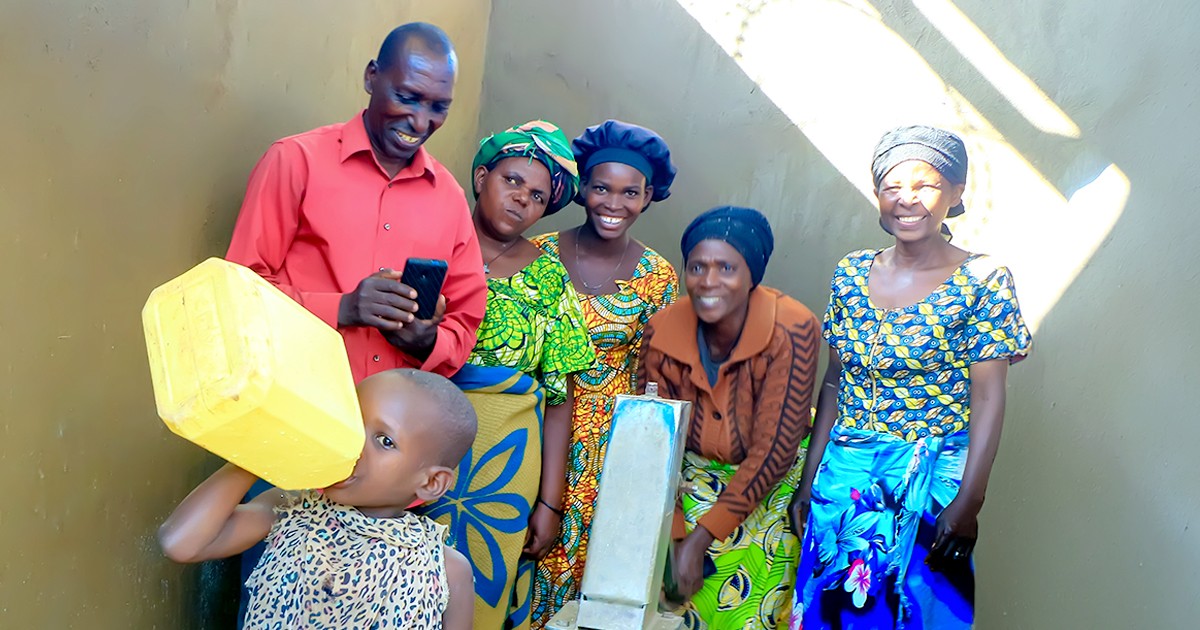
In eastern Rwanda, where a savannah-like climate and scant annual rainfall leave communities chronically short of water, the Rwanda and Burundi Territory has taken decisive action. With funding from the Canada and Bermuda Territory, they launched the Rwimiyaga WASH Project, a $345,000 (USD) initiative that will serve 6,000 direct and 12,000 indirect beneficiaries. The project will establish four clean, accessible boreholes, support the creation of community-led water management committees and promote healthier hygiene and nutrition practices among households and schoolchildren alike.
The commitment goes beyond individual countries. At The Salvation Army’s International Headquarters in London, England, the international development department recognized the global urgency of clean, safe water and convened a dedicated community of practice focused on WASH. Among its members is Bothwell Mhashu, project manager in the Zimbabwe and Botswana Territory. He underscores the critical importance of this collaboration for both best practices and shared learning: “The community of practice is a platform that enables knowledge and experience sharing that can enhance project outcomes, and some projects have benefited by applying lessons learned from other implementing territories.” In a world where water scarcity knows no borders, this shared approach ensures that solutions travel farther, reach deeper and change more lives.
Having visited many places where The Salvation Army is providing access to clean water, I am reminded that safeguarding this vital resource is not only the work of organizations, but also the responsibility of each of us.
So how do we help “make the invisible visible”? How do we become better stewards of the water we so easily take for granted? And how can we support others around the world who dream of the same effortless access we enjoy? Here are a few simple places to begin:
- Be mindful when flushing the toilet.
- Turn off the tap while brushing your teeth.
- Shorten your showers to conserve water.
- Collect rainwater for watering plants.
- Support Gifts of Hope water initiatives (SalvationArmy.ca/GOHWater).
Together, we can make the invisible visible. Are you up for the challenge?
Lt-Colonel Brenda Murray is the director of the international development department.
This story is from:


Leave a Comment