In northern Pakistan people are facing the cold of winter in very trying circumstances. In 2010 floods destroyed villages across the country and families lost their homes and all their belongings. Despite aid provided by the Government and non-government organizations (NGOs) many people still lack the basic necessities. The scale of the disaster is huge and the needs are seemingly endless.
Just in time for the colder season, The Salvation Army obtained funds from its Canada and Bermuda Territory to purchase and distribute winterized tents. These tents have several layers of material to ensure there is as much insulation as possible. In the area near Peshawar, 700 families have each received a tent. A winterized tent will not provide luxury accommodation but the reality is that it could mean the difference between life and death.
The Salvation Army in Pakistan is also looking at longer-term sustainable development projects. A community assessment trip took place to find out how people in affected communities want to change their situation. These trips include community mapping – ensuring the views of the whole community are taken into account – community walks, interviews and discussions with men and women. The process seeks to involve beneficiaries in all steps of the decision-making process regarding their future.
With new disasters happening around the world many people seem to have forgotten about the huge floods that hit Pakistan last year, affecting more than 20 million people. Fortunately, The Salvation Army in Pakistan has not stopped caring and it is still assisting countless people affected by the disaster.
In the face of such adversity, people in Pakistan are demonstrating that they have an abundance of strength, knowledge, courage and ideas. Sometimes it just needs an organization like The Salvation Army to get alongside them and give them the opportunity to improve their situation.
A fourth-generation business owner in Wiarton, Ont., Josie Myles believes strong communities are built when people support one another. That belief is one of the reasons she continues to support The Salvation Army’s work in the area.
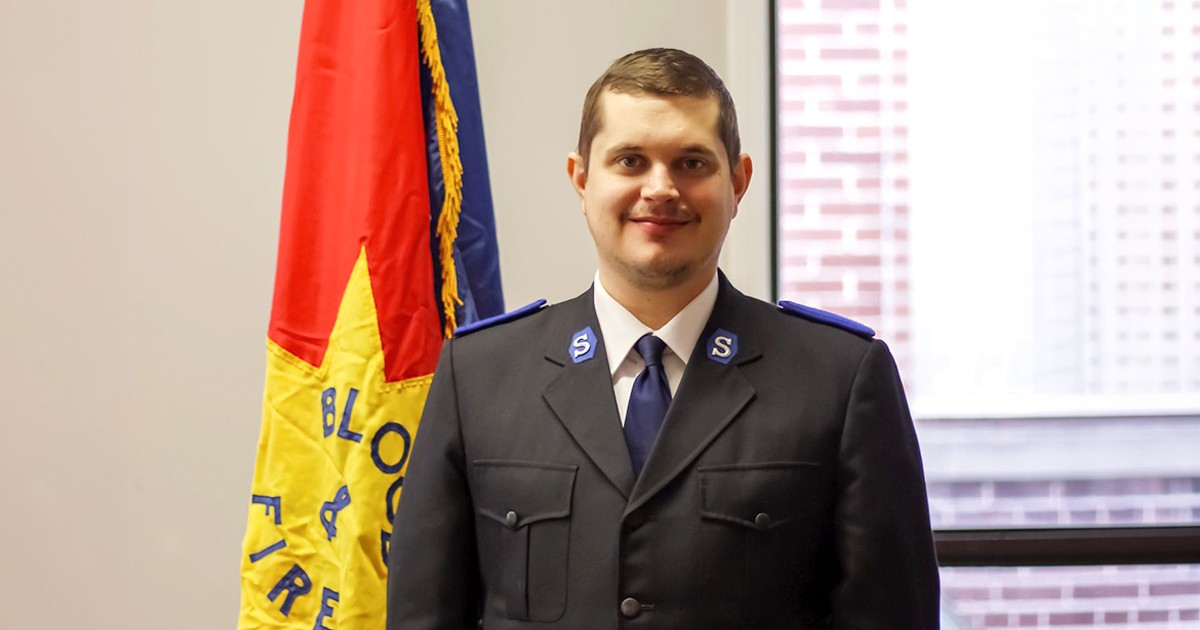
Stuart Walter’s is a sixth- or seventh-generation Salvationist, tracing his family’s roots in The Salvation Army back to the late 1800s in London, England, back to a moment when the organization stepped in to help his ancestors during a time of genuine need. That single act of generosity rippled forward through generations, sending relatives to serve in India, China and across North America, and Stuart to Kenora, Ont., where he is making a difference.
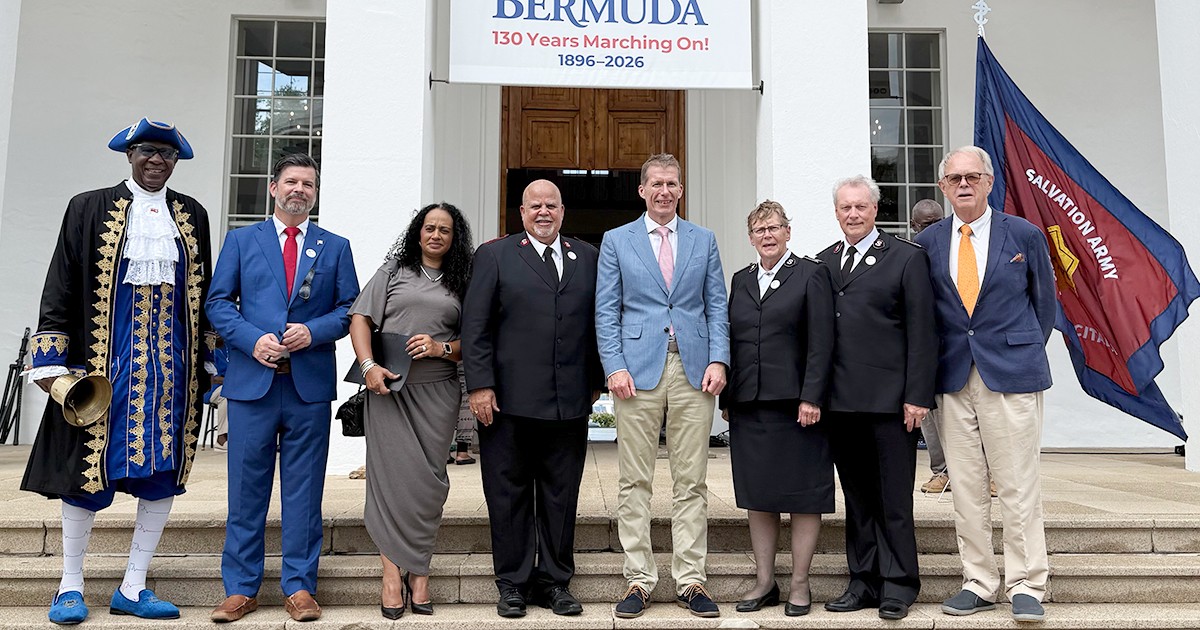
For 130 years, The Salvation Army has been a familiar presence in Bermuda, offering practical assistance, spiritual encouragement and hope to generations of island residents. That legacy was celebrated September 25-27, 2026, as Salvationists, community members and civic leaders gathered for a weekend of anniversary events that honoured the past while looking toward the future.








Leave a Comment