



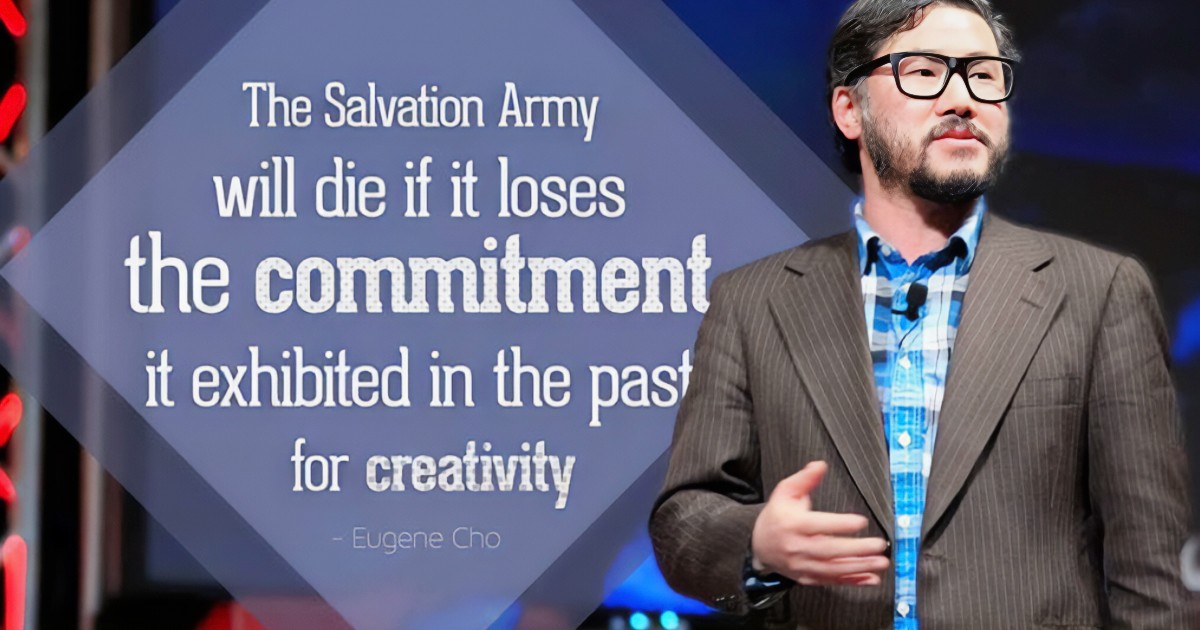
I saw a quote recently by Eugene Cho, founder and former senior pastor of Quest Church in Seattle, Washington, which said: “The Salvation Army will die if it loses the commitment it exhibited in the past for creativity.”
My immediate reaction? Oh no! The Salvation Army can’t die! We need it! My second reaction? Well, if it’s not creative, then it’s not having the impact on the world we desire it to have, which means it’s not The Salvation Army, which means it’s dead already. My third reaction—admittedly after some more reflection than the first two—was to consider his choice of words. The Salvation Army will die ... if it loses ... in the past….
Although Cho is not (to my knowledge) a Salvationist, he has captured a mindset that seems quite common.
Old Testament scholar Walter Brueggemann explains how we can operate on the basis of two possible assumptions about the world and God’s provision: scarcity and abundance. Scarcity is a constant anxiety that there isn’t enough. I’m sure Cho did not intend his quote to come across as an example of scarcity, but it struck a chord with a perspective that seems to have become too normal.
We’re scared of the death of the institution. We haven’t got enough money. Corps are closing. We don’t have enough officers. We don’t have enough soldiers. I haven’t got enough time. Fear, death, trepidation. We haven’t got enough ... never enough. Brueggemann credits Pharaoh with introducing scarcity into the world economy in Genesis 47 after he dreams of famine throughout the land. This introduces a fear of there not being enough, leading him to try to get control of everything. The ripple effects of this are numerous as he begins to constantly covet what his neighbour has.
Cho’s quote seems inadvertently to capture this, assuming that death is the outcome we need to fight against, fearing loss of creativity, and coveting what we had in the past.
Abundance, on the other hand, is a confidence that we have more than enough for our needs. It’s like that meme that says, “The pessimist says the cup is half empty, and the optimist says the cup is half full. The child of God says, ‘My cup runneth over.’ ” Brueggemann outlines how the theme of abundance runs through Scripture, beginning with the repeated refrain “it was good” in Genesis 1.
The New Testament also demonstrates an attitude of abundance. According to Matthew 25:31-46, I have enough food to give to someone who is hungry, enough water to provide to someone who is thirsty, enough space to welcome a stranger, enough time to visit the sick and imprisoned. Salvationists are good at these practices of abundance.
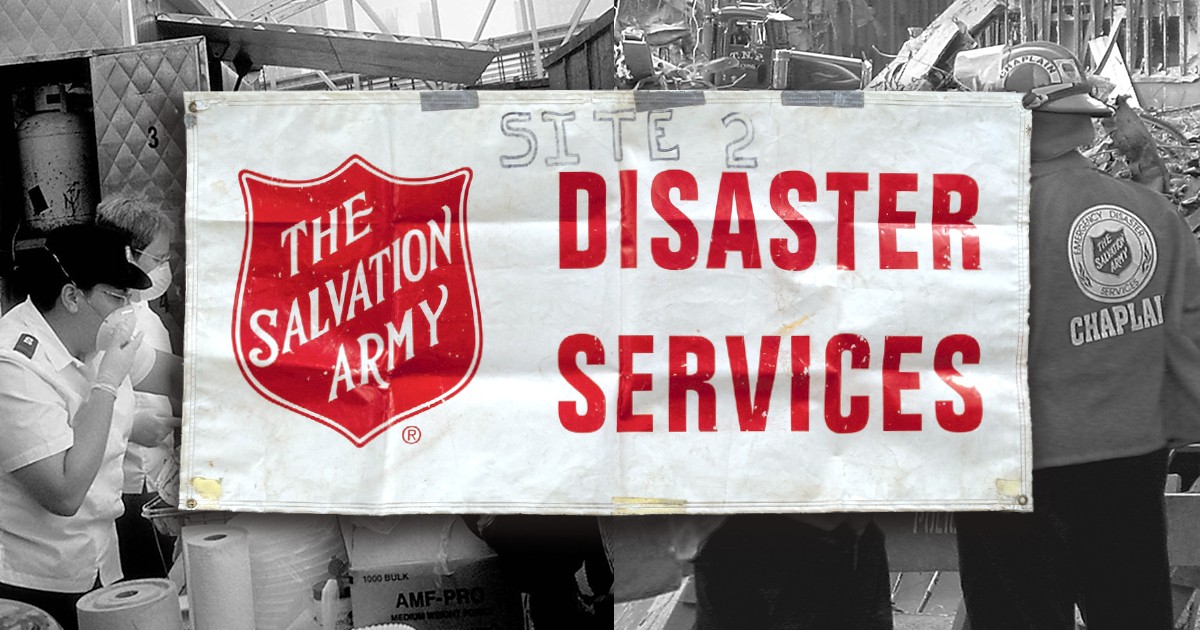
A few years ago, my corps started an initiative called Project Malachi, inspired by an initial donation of £5 (about $9) by a boy called Malachi. This project says, “We have enough to be able to build accommodation for people sleeping rough with no recourse to public funds.” At other corps, Salvationists are working on community refugee sponsorship, which says, “We have enough to be able to welcome people seeking refuge from other countries.” The Salvation Army’s emergency disaster services supports first responders during crisis events, which says, “We have enough to help provide relief for the firefighters and victims.”
There are too many examples of this to name in The Salvation Army. We can do abundance when we decide we want to.
Why, then, do we fall into a mentality of “not enough”? I confess to being guilty of this myself, but I am now committing to view things from a perspective of abundance. God has given us everything we need to do what he has called us to do.
So, in considering this, I wonder if we might re-phrase Cho’s quote to something such as, “The Salvation Army will change the world and win it for Jesus by exhibiting our commitment to creativity.”
That’s something that captures my imagination.
Captain (Dr.) John Clifton is the divisional commander of the North East Division in The Salvation Army United Kingdom and Ireland Territory. You can read more from him at https://salvationisminthemargins.substack.com.



Leave a Comment