


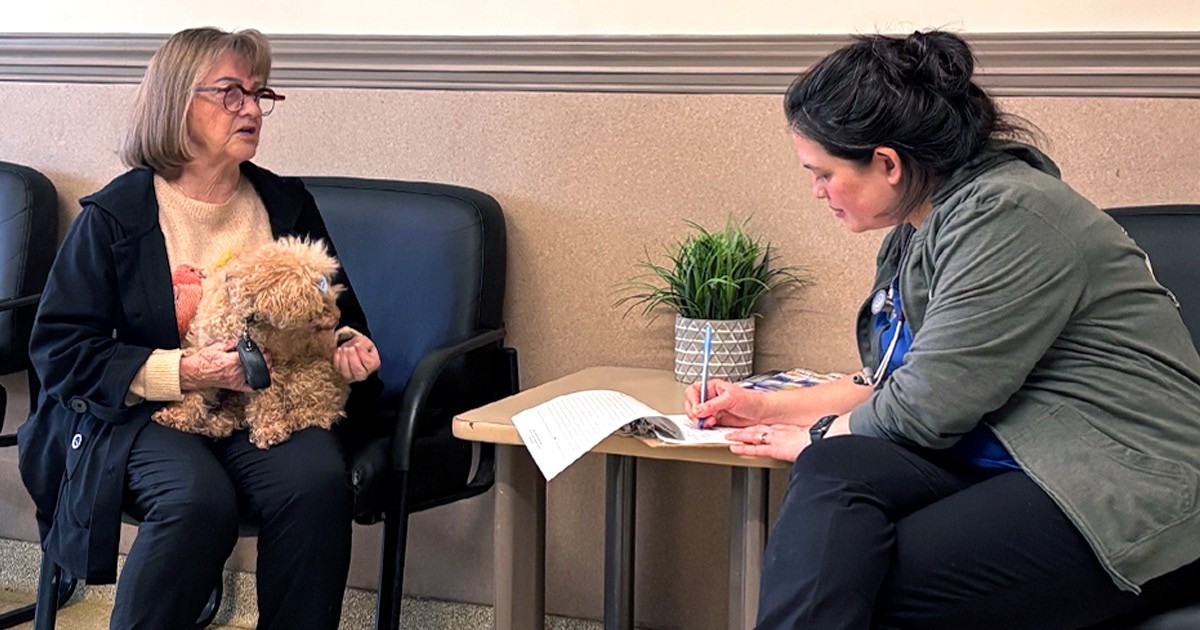
In some cases, meeting human needs means meeting the needs of pets.
After noticing an increased number of shelter clients with pets, The Salvation Army's Gateway of Hope in Langley, B.C., developed a partnership with the Langley Animal Protection Society (LAPS) to better meet a growing need. Over the past two years, Gateway of Hope has expanded its services to include up to five kennels for animals in the shelter, and most recently, it has introduced a free vet care clinic for the community.
"The reality is that there are a lot of people who won't accept our services if they have an animal because they don't want to lose their pet," explains Justin Napier, executive director at Gateway of Hope. "Even if there's an opportunity for them to be housed, if there are no animals allowed, they won't take it. They're willing to forego comfort and stability, and the opportunity for a new beginning, because they're so connected to their animals. It speaks to the importance of these little creatures in our lives."
Recognizing this as a barrier to service, Gateway of Hope staff began exploring ways they could support residents with pets. "We had to acknowledge our own limitations-none of us are veterinarians. So, we built a relationship with LAPS to assist us," says Napier.
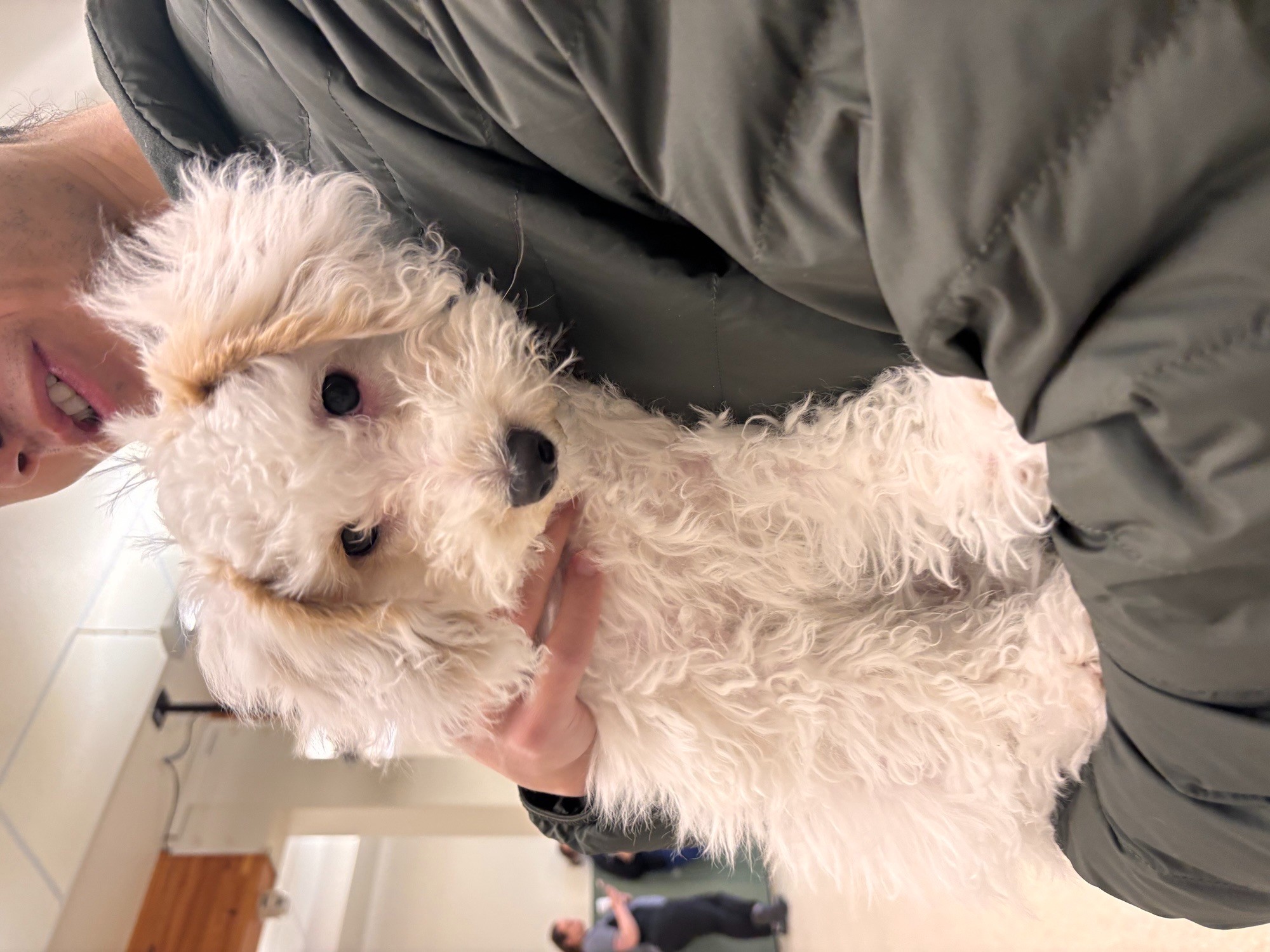
The partnership with LAPS grew when its executive director, Sarah Jones, joined the community council at Gateway of Hope and saw the need first-hand. Since then, LAPS has supported the shelter by providing supplies, such as leashes, collars and pet food. They are also able to temporarily kennel animals when their owners are unavailable, such as during hospital visits, or organize longer-term fostering if needed.
Gateway of Hope primarily takes in dogs, and efforts are continually made to ensure all residents are comfortable, accommodating those who have allergies or a fear of animals.
According to Napier, the bond between pets and their owners is central to overall well-being. "There is an unconditional affection and love between an owner and their dog, and in a lot of ways it can speak into the dignity and worth of a human because they can experience that connection from an animal that they might not receive from human beings," says Napier. "So, allowing people to stay here and feel that they don't have to part from that thing they love most, their pet, provides dignity."
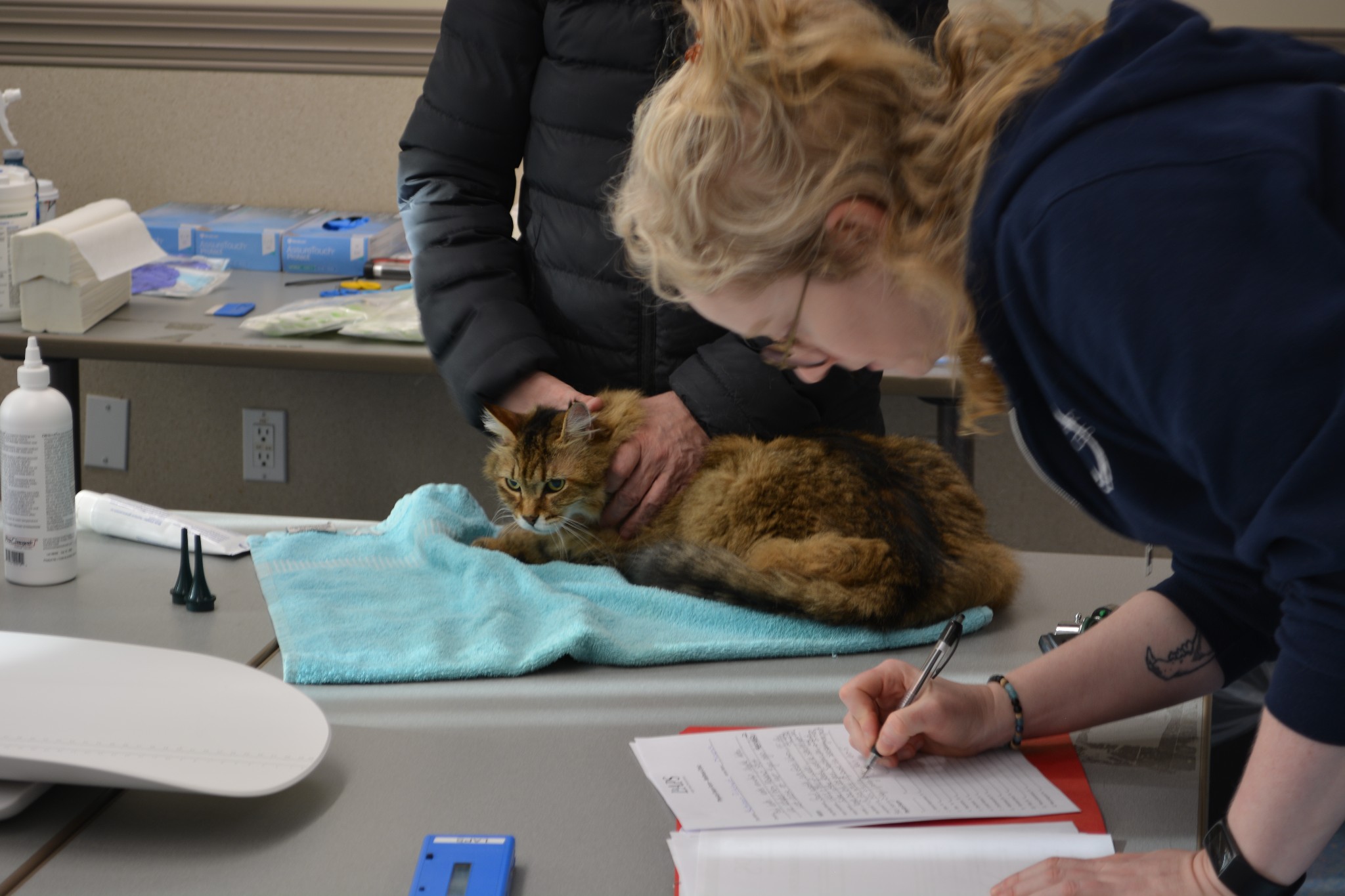
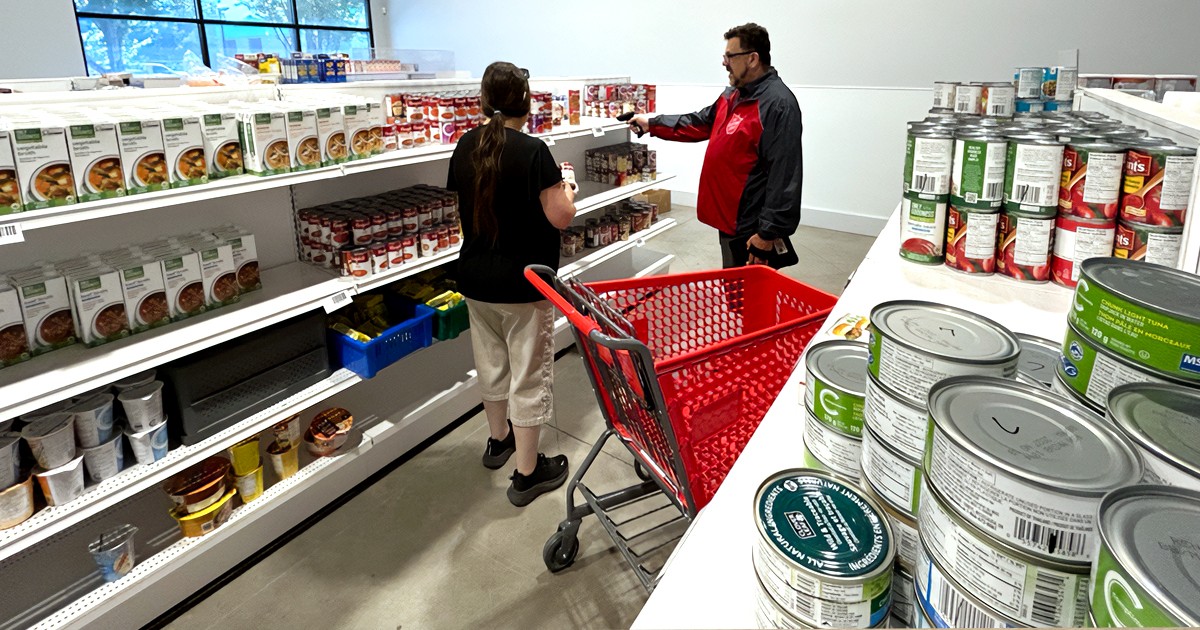
Additionally, Gateway of Hope hosts regular community care days where various agencies offer free services to the community, such as haircuts, a free store with donated items, a footcare clinic, a tax program, paperwork assistance and showers. Part of this community care day is the free veterinarian clinic run in partnership with LAPS.
At one clinic in March, volunteers provided care for 20 animals, four of which are receiving follow-up care. One veterinarian volunteered their time with assistance from two coordinators, offering basic care, such as physical exams and dental checks.
In some cases, further support is needed. One client had a large-breed dog that was lethargic and sickly. Staff encouraged the client to seek vet care, and they were able to reach out to LAPS for emergency support. Sadly, the veterinarian determined that the dog had a large tumour and needed to be put down.
"One of our employees shuttled them to the vet in our company vehicle, and they were able to be with the client the whole time," says Napier. "There's some dignity in that, too. They didn't have to go through it alone."
For Napier, being a transforming influence in the community means just showing up, meeting people where they are and with what they need-and many people put the needs of their pets before their own.
"We often treat pets as a luxury, but for many people they are also a necessity, especially for people who feel very alone," says Napier. "We understand that animals provide a lot of comfort and care. In that way, we're meeting the human need to belong, to feel connected and to feel loved.



Leave a Comment