



When I was young, I dreamed of becoming a teacher. I imagined myself standing at the front of a classroom, guiding young minds as they learned and grew. Although I did not ultimately become a teacher, I completed a degree in early childhood education and began a similar career working with young children, teaching them the basics—from their ABCs to their 123s.
October 5 marks World Teachers’ Day, an international observance to recognize the vital role teachers play around the globe. Teaching offers a unique opportunity to make a lasting and transformative impact on the lives of others, helping to shape future generations while providing a deep sense of personal fulfilment. Yet many educators in low-income countries face significant challenges, including inadequate working conditions and limited access to resources, making it more difficult to provide high-quality education.
Worldwide, The Salvation Army operates more than 2,800 schools, serving communities across diverse cultural and geographic contexts. Every day, more than 20,000 teachers walk into the classroom of a Salvation Army school, eager to inspire, educate and support their students.
In my current role, I work with territories around the world that provide educational programs, including preschools, elementary schools and high schools. Through these partnerships, I often witness teachers in action, and I am constantly inspired by their passion, resilience and commitment to their students, even when resources are scarce.
equipment such as a laptop and printer, to provide
access to additional teaching resources
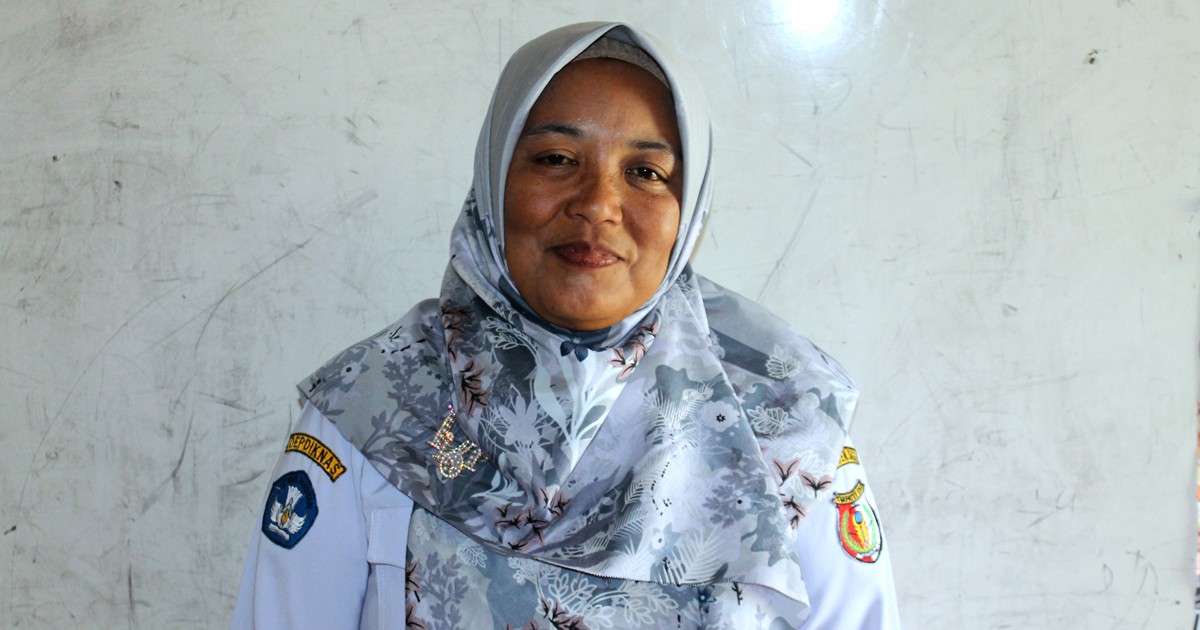
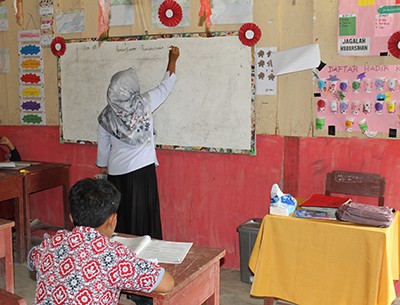
One such teacher is Walhidaya, who has been teaching at Dongi Dongi school in Indonesia for 19 years. When she first began teaching, there was no dedicated school building and classes were held in the corps building. There were no desks or chairs, and both students and teachers sat on the floor during lessons. It would have been easy for Walhidaya to seek better working conditions elsewhere, but she deeply believes in the mission of The Salvation Army and remained committed to ensuring the children in her community had access to education.
She continued to teach her Grade 6 students during the transition from the corps building to a three-classroom structure, and then the addition of three more classrooms. Despite these improvements, she dreams of having electricity in every classroom, along with equipment such as a laptop and printer, which would provide access to additional teaching resources and help enhance her students’ learning experience.
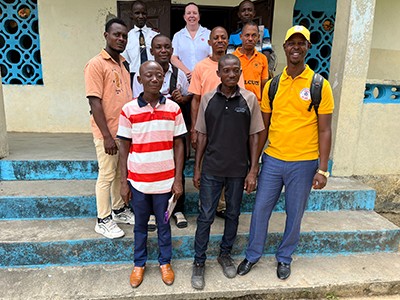
John Gowans High School in Liberia
Teachers at John Gowans High School in Liberia are also familiar with the challenges many educators face. Despite these difficulties, they remain dedicated to their students and committed to doing their best every day. During a visit to the school last year, one teacher shared that although teaching conditions can be challenging, teaching is all about planting a seed and nurturing it. He explained that they look to Jesus, the first teacher, as their inspiration. Seeing students succeed and thrive motivates them to continue their work each day.
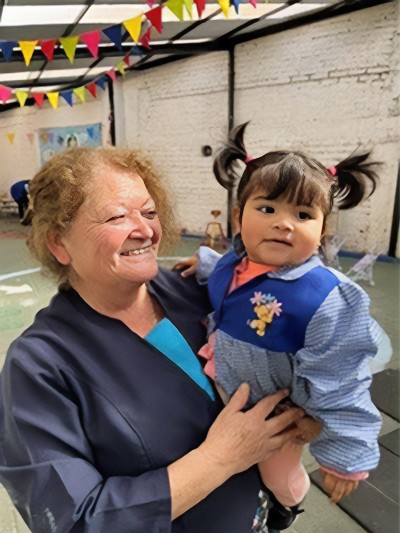
Claudia has worked at Faro de Angeles Kindergarten in Chile for the past 14 years as a technical assistant, a role she truly enjoys. She describes the kindergarten as being like a family, where staff members work together to provide a nurturing and supportive environment for the children. Every day, she shows love, care and attention to the young learners. The kindergarten is widely respected in the community for its high standard of early childhood care and education, making it one of the most highly recommended in the area.
Across the globe, countless Salvation Army teachers share this same commitment. Whether in Indonesia, Liberia, Chile or elsewhere, they arrive each day determined to make a meaningful difference in the lives of the children they serve. Their work reflects The Salvation Army’s ongoing commitment to providing access to high-quality education for all.
As Christmas approaches, many parents in Canada will give a small gift to their children’s teachers as a way of expressing gratitude for their dedication and hard work. Over the past few years, I have adopted a different approach. Rather than giving a physical gift, I choose to give something meaningful. I purchase a Gift of Hope, such as school materials or textbooks.
I include a note thanking the teacher for the impact they have had on my child’s life and explaining that I want to help provide the same opportunity for another child somewhere else in the world. My children are fortunate to attend schools where they have access to books, paper, pencils, worksheets, online resources and countless other tools that support their learning.
The least I can do is help create those same opportunities for another child to learn, under the guidance of one of the many dedicated teachers serving in a Salvation Army school, and to be given the chance to grow, discover and expand their knowledge.
On this World Teachers’ Day, we celebrate educators everywhere who faithfully plant seeds of knowledge, hope and opportunity. Their influence extends far beyond the classroom, shaping lives, strengthening communities and helping build a brighter future for generations to come.
Consider giving a Gift of Hope Through Education this season to provide resources for classrooms and teachers.
Major Heather Matondo is the assistant director of the international development department.
By the Numbers
The Salvation Army has a long history of removing barriers to education for the most vulnerable, providing high-quality teaching that enables children to either move confidently to the next stage of education or feel empowered to look for employment.
Schools: 2,800
Teachers: 20,000
Students: 600,000
Countries: 45



Heather - thanks for this insight into some of the courageous teaching that takes place within The Salvation Army world. Yes, The Gifts of Hope are a wonderful way to express thanks and help build this world of justice and hope. And you are in fact teaching through your writing like this. Ray