

For many people, overdose is not just the subject of a headline. It’s a loved one. A friend. A neighbour. A member of their community. It’s an issue that has, in one way or another, touched so many of our lives.
Still, it can be easy to assume that overdose happens to a particular type of person or that it’s tied to a series of bad choices. But if we listen closely enough, we can hear one story after another that tells us otherwise.
International Overdose Awareness Day, marked on August 31, is a time to acknowledge the impact of overdose, to remember those who have been lost and to take action to save the lives of those at risk.
Acknowledging the Impact
Overdose is a serious issue worldwide, affecting countless communities. Globally, an estimated 600,000 deaths each year are linked to drug use. In Canada, more than 50,000 people have lost their lives to overdose in the last decade. Behind each of these numbers is a person: someone’s child, someone’s friend.
For The Salvation Army’s Belkin Communities of Hope (BCoH) in Vancouver, the overdose crisis has been felt deeply. Over the years, many individuals connected to our services, from emergency shelters to spiritual care support, have been affected by overdose.
In 2025 alone, paramedics in British Columbia responded to nearly 40,000 overdoses, an average of more than 100 calls every day. Thankfully, not every overdose is fatal. But every overdose does leave a lasting impact that ripples from the individual to the surrounding community, including family, friends and first responders. It leaves people carrying feelings and experiences that are often difficult to process alone.
For the last five years, BCoH has joined with others around the world on International Overdose Awareness Day to amplify awareness and create space for learning, reflection and healing.
Remembering Those We’ve Lost
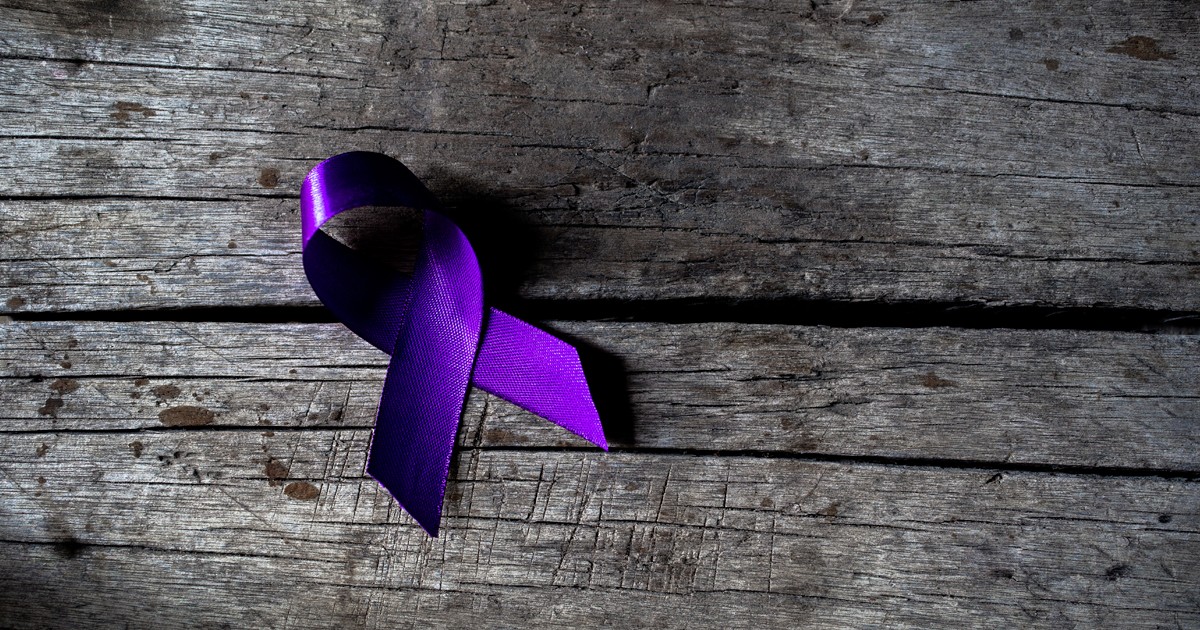
Across the country, people gather on August 31 to honour loved ones lost. These moments of remembrance take many forms: vigils, memorials, marches or quiet spaces for reflection. Some bring photos, others wear purple (the global symbol of overdose awareness), and many simply show up to stand beside another person who understands.
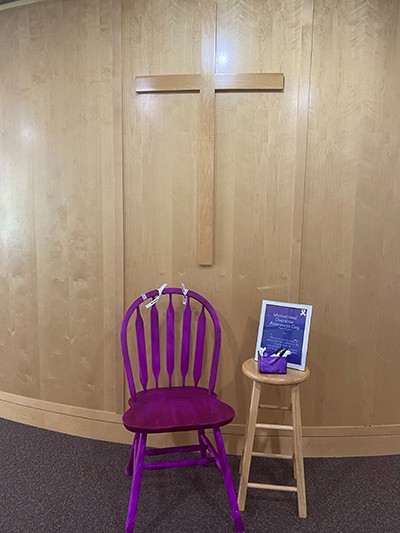
At BCoH, we create a space where people are invited to pause, reflect and pray. Each year, we place a purple chair in a common space and invite community members to write the names of loved ones lost or at risk on ribbons, tying them to the chair. It becomes a visible reminder of the space these loved ones hold in our lives and in our community. These acts may seem small, but they carry deep meaning. They say:
You belong here.
You mattered.
You are not forgotten.
For BCoH, remembrance has become part of the healing process. It creates space to speak names that are too often left unspoken because of stigma. And it challenges us to see people beyond the labels. Beyond “addict.” Beyond “mentally ill.” Beyond the assumptions that so often lead to blame and isolation of those at risk. It stretches our kingdom perspective and reminds us that each person is deeply valued by God, created in his image and never beyond his reach.
Take Action to Save Lives
There are many initiatives and strategies aimed at responding to the overdose crisis. Some of these can be quite polarizing, with differing views on how best to reduce risk and support those affected. Regardless of where you may land on approaches such as wide-use naloxone, harm reduction, safe supply or abstinence-based recovery, one thing is undeniable: when we create environments that feel safe and welcoming, we make it easier for people to show up, again and again and again, as many times as it takes.
While it may sometimes seem obvious who is at risk, many people struggle quietly, carrying challenges that are not immediately visible. In 2026, the B.C. Coroners Service reported that a significant number of overdose victims were employed at the time of death, and data consistently show that many overdoses happen in private residences, reminding us that this is not only an issue of those who are visibly street-entrenched, but one that affects people of all walks of life. Across every part of The Salvation Army, we have an opportunity to take action by creating spaces where people can return, without barrier and without fear of judgment.
Taking action to save the lives of those at risk is not only about reducing harm or intervening in a moment of overdose. It’s about shaping our services, corps, workspaces and communities as places where people experience the boundless love of Jesus. Where they find belonging and assurance that support is always within reach.
If you or someone you know needs help with substance use, including overdose prevention resources, visit: https://www.canada.ca/en/health-canada/services/substance-use/get-helpwith-substance-use.html.
Jenea Gomez is the director, anti-human trafficking programs, at Belkin Communities of Hope in Vancouver.
Photo: doidam10/iStock via Getty Images Plus


Leave a Comment