When hundreds of wildfires threatened the province of Saskatchewan this summer, The Salvation Army stepped in, providing food, clothing and more to thousands affected by the fires.
The Army's emergency response, which began on June 26 and ended 26 days later, was largely housed at three reception centres, two in Saskatoon and one in Prince Albert. During this period, the Army served more than 36,000 meals at these centres, while its thrift stores in Saskatoon, Regina and Prince Albert handed out more than 17,000 changes of clothing.
“The peak of this crisis was like something out of an apocalyptic movie,” says Major Mike Hoeft, area emergency disaster services director, Prairie Division. “The smoke covered the entire province.”
Two evacuees and a Red Cross worker receive a meal at a Salvation Army reception centre
Major Hoeft notes that of the 16,000 people who were evacuated, 10,000 required assistance from emergency social services. Given the severity of the fires, some evacuees were not able to return to their homes for weeks.
"The people at the reception centres were uncertain whether they were going back to a house, whether their belongings were destroyed," he says. "That adds to the anxiety level."
Major Hoeft says the Army in Saskatchewan typically does evacuation responses three or four times per summer, which last from three to five days, and may give out 10 clothing vouchers per response.
“This one was quite different in that people had very little notice to evacuate,” he explains. “They would often get to the bus and discover that there was no room for luggage, so they arrived at the reception centres with only the clothes they were wearing.”
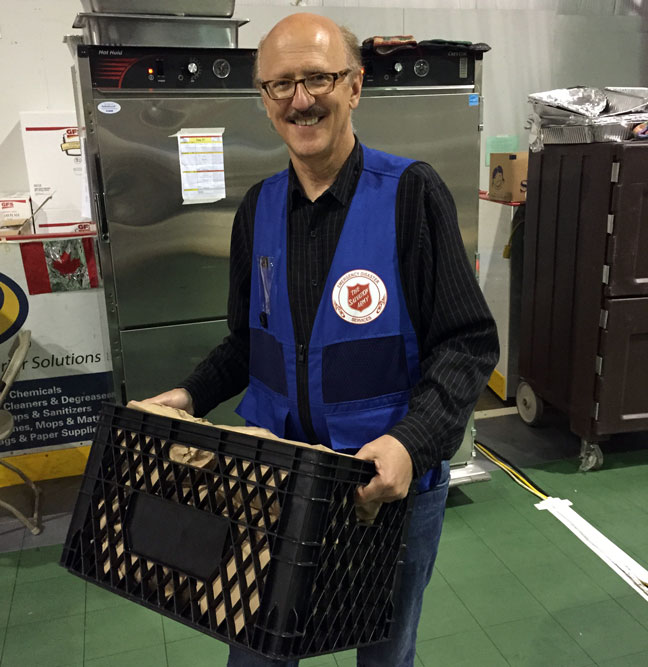
In addition to providing practical assistance, the nearly 300 volunteers who took part in the effort provided spiritual and emotional care.
“When we're serving food, cleaning up tables or giving out vouchers, it's easy to say, 'And how are you?' ” says Major Hoeft. “There were a lot of opportunities for us to speak into the lives of the people we served.
“Our volunteers did a great job of getting to know people on a personal level,” he continues. “When people came through the food line—even though there were, at times, up to 650 people at one reception centre—our volunteers were able to call a lot of them by first name, to make them feel as though they were seen and someone understood what they were going through.”
During the response, The Salvation Army also enjoyed a fruitful partnership with Subway Restaurants, which provided 2,100 bagged lunches—including a six-inch sub, cookie, chips and water—for evacuees in the Army's care.
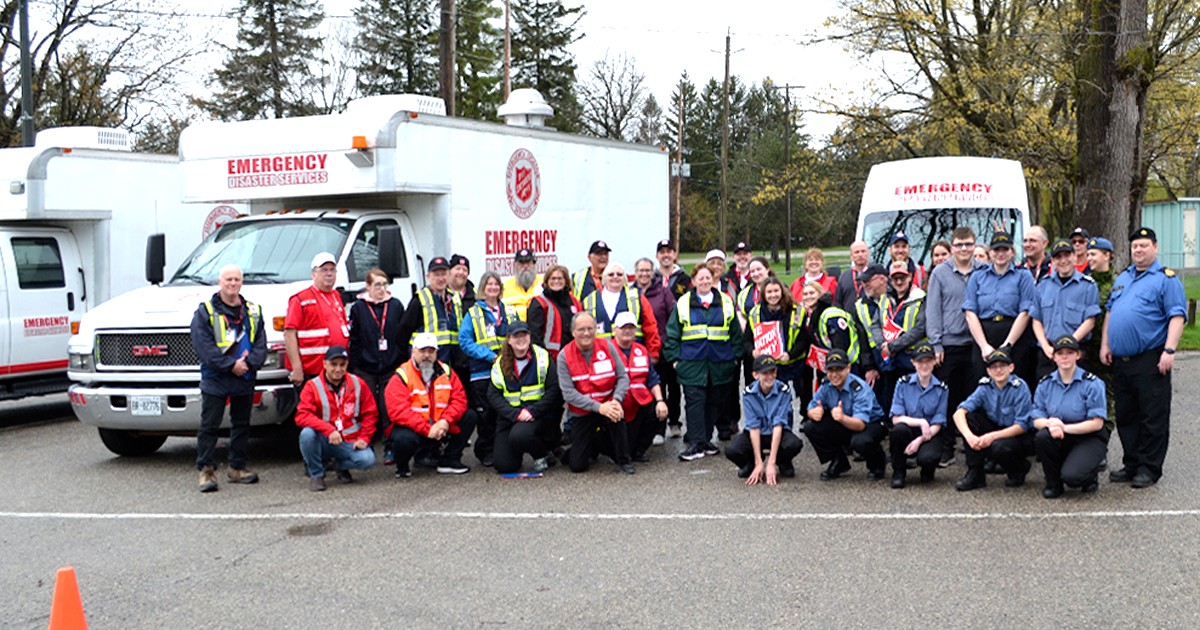
In Woodstock, Ont., a group of young sea cadets is developing vital leadership and disaster response skills through a unique partnership with The Salvation Army. Spearheaded by Trevor McLellan, emergency disaster services (EDS) specialist for the Ontario Division and sea cadet instructor, the program expands training opportunities for youth by
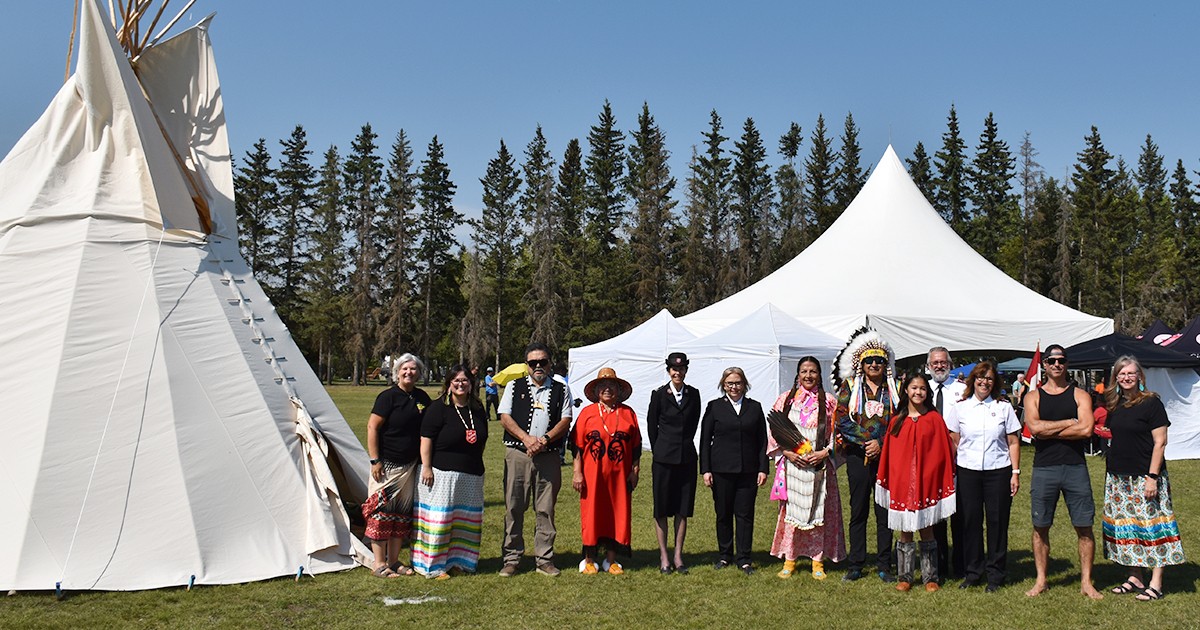
(Above, from left) Claire Dunmore, territorial community mission secretary; Captain Crystal Porter (Mi’kmaq and Euro-Canadian); Collier and Lorna Azak (Nisga’a); Colonel Margaret McLeod; Lt-Colonel Leslie Wiseman; Tracy Desjarlais (Piapot First Nation of Saskatchewan); FSIN Second Vice Chief, Edward (Dutch) Lerat, member of Cowessess First
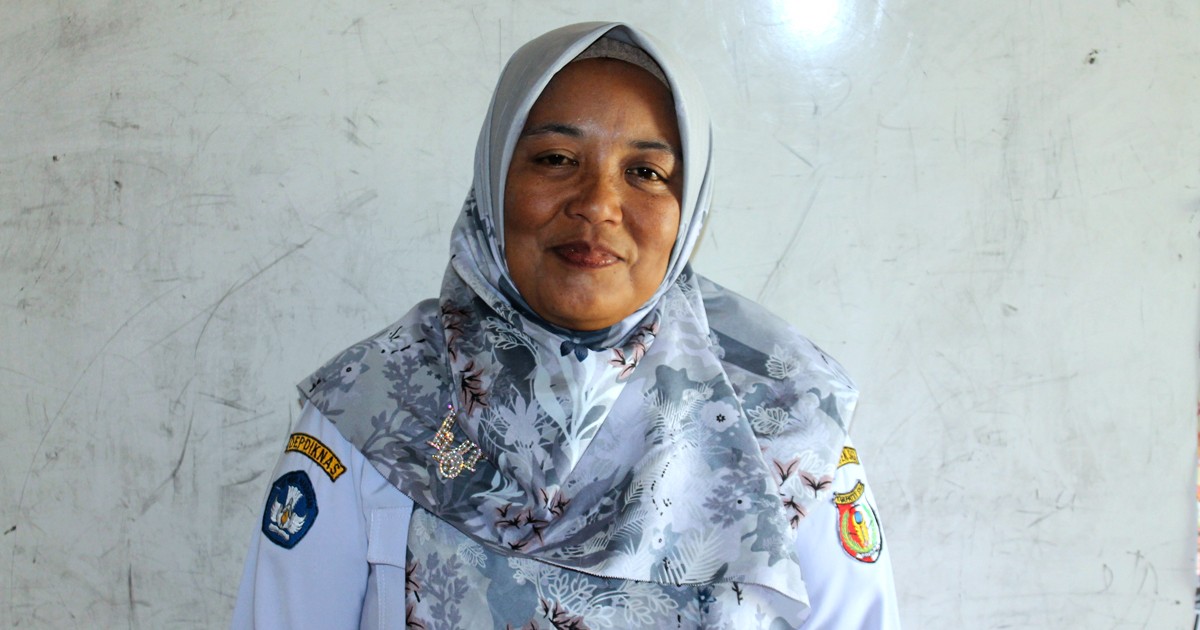
October 5 marks World Teachers’ Day, an international observance to recognize the vital role teachers play. Around the world, The Salvation Army operates more than 2,800 schools, serving communities across diverse cultural and geographic contexts. Every day, more than 20,000 teachers walk into the classroom of a Salvation Army school, eager to inspire, educate and support their students.




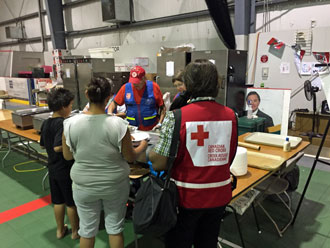 Two evacuees and a Red Cross worker receive a meal at a Salvation Army reception centre
 Two evacuees and a Red Cross worker receive a meal at a Salvation Army reception centre


Leave a Comment