

“We have described for you a mountain. We have shown you the path to the top. We call upon you to do the climbing.”—Murray Sinclair
“Blessed are those who hunger and thirst for righteousness, for they will be filled.”—Matthew 5:6
On March 30, 2016, The Salvation Army joined other faith communities on Parliament Hill in response to the Truth and Reconciliation Commission’s (TRC) Call to Action #48. Major Shari Russell, then territorial Aboriginal ministries consultant, spoke on behalf of The Salvation Army in Canada and Bermuda, supporting the recommendation to engage with the United Nations Declaration on the Rights of Indigenous Peoples (UNDRIP) as a framework for reconciliation. Rooted in the calling of Christ to be ministers of reconciliation in the world, she reminded us to “recognize our responsibility in engaging the principles of this declaration.”
Now, a decade later, we pause to look back with gratitude and forward with hope. We give thanks for the relationships that have been created, the conversations that have opened hearts and the many people who have chosen to walk this road together. We acknowledge the long journey of reconciliation; it is not a race to be won, but a way of life that continually calls us to walk with gentleness, deep understanding and faithful action.
And yet, as we walk this journey, we trust that God is shaping us into an Army rooted in right relationship, where hope grows and all people can flourish together.
SHAPING A VISION
It was together that we began to dig deeper into the journey of reconciliation for our movement. In 2015-2016, roundtable discussions were held at Beaver Creek Camp in Saskatchewan, Pine Lake Camp in Alberta and in northern British Columbia, where Indigenous Salvationists and divisional and territorial leadership came together in honest and often courageous dialogue. These moments created space to hear lived experiences, to honestly engage with history and to consider what a faithful relationship might require of us moving forward. The stories gathered from these spaces worked alongside the TRC Calls to Action and the UNDRIP to help shape a vision that would guide the years that followed.
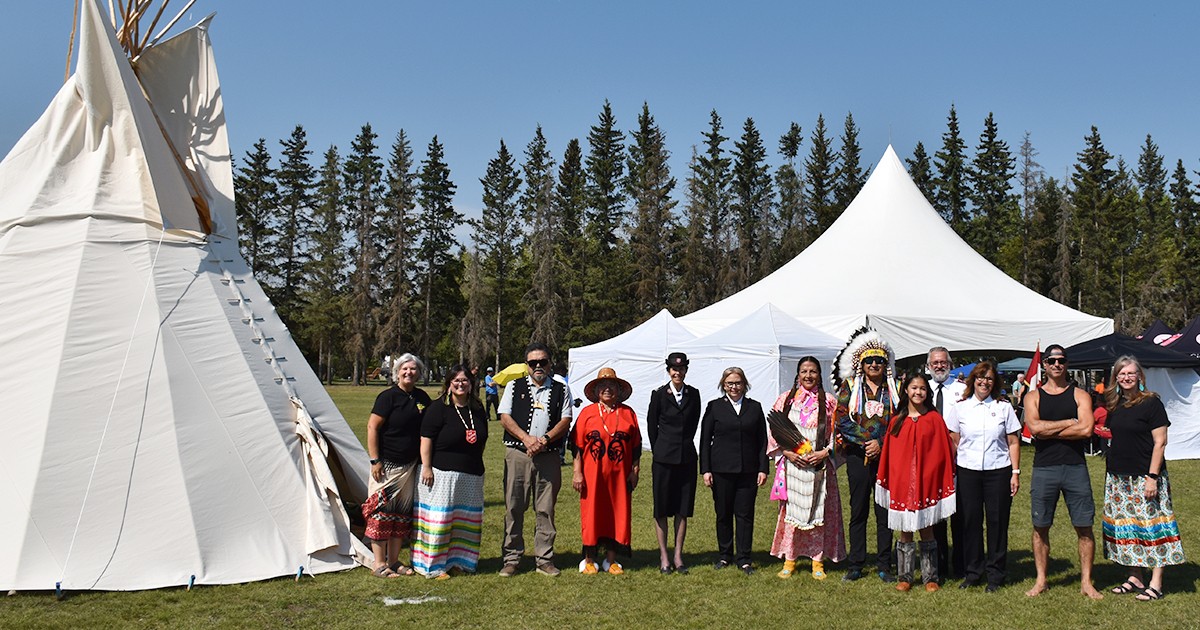
We learned quickly that creating space to gather, listen and share stories was an essential part of the journey toward reconciliation. And so, we gathered! We gathered around tables to learn from Indigenous theologians. We stood on blankets to hear the history of colonization from Indigenous perspectives. We sat in virtual circles and shared stories about being a good neighbour and what reconciliation could look like in our own ministries. We gathered to learn about land acknowledgments, the impact of the Doctrine of Discovery, how to partner with Indigenous communities and organizations, and how we can look at Scripture through Indigenous ways of knowing, being and doing. We gathered to build tipis and sweat lodges, laughed together as we prepared for feasts and experienced God through Indigenous ceremonies at the Celebration of Culture.
LOCAL COMMITMENT
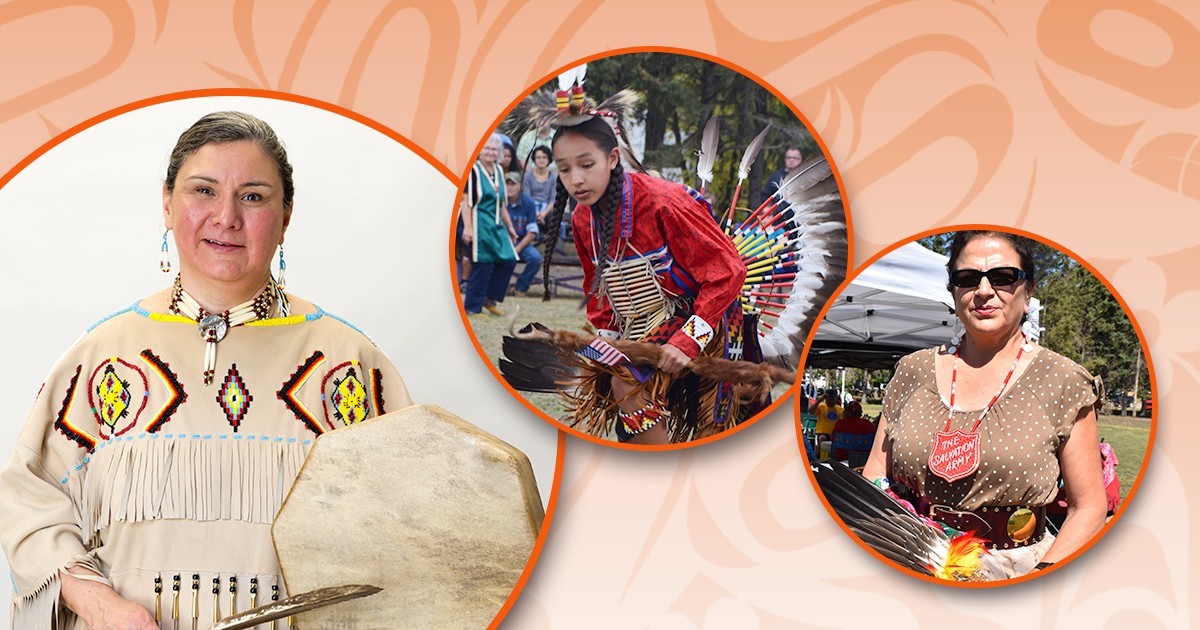
While the territory has helped facilitate gathering spaces, local ministry units have walked a path shaped by their relationships and local commitments. Corps have participated in treaty days, powwows and local celebrations, and created land acknowledgments and reconciliation statements. Ministry units have worked alongside Indigenous organizations and communities to host healing circles, indigenize church libraries, and create intentional learning opportunities for congregations, staff and community partners. Each reconciliation journey looks different, and yet what remains constant is the shared calling to listen deeply, learn faithfully and walk gently with humility and hope.
This reconciling work is at the heart of what it means to exist as The Salvation Army. Our mission to share the love of Jesus, meet human needs and be a transforming influence in the communities of our world is lived out when we seek to walk in a good way, placing right relationship with God, with one another and with the communities we are called to serve at the centre of who we are. It is love expressed through listening, learning and accountability. Our commitment to reconciled relationships cannot be separated from our vision of building communities that are just and know the love of Jesus, because healing and restoration are who we were created and called to be.
RIGHT RELATIONSHIPS
We acknowledge that we are not outside the realities of pain and harm caused by colonization. The institutions and ideologies that contributed to it were not the true expression of the gospel, but were shaped by human desires for power, greed and self-interest. These same patterns can still influence us today.
As Jesus taught on the mountainside (see Matthew 5), we learn that to hunger and thirst for righteousness is to long for relationships made right: with God, with one another, with ourselves and with creation. This is the journey to reconciliation—a yearning to be restored so that all may flourish as God created us to be.
We must continue to fully give ourselves to this journey to restore relationships, and it is there we will see the transforming work of God. Indigenous leader Karen Joseph (Musgamagw Dzawada’enuxw) teaches that “the interesting thing about reconciliation is that it really is a personal journey that starts internally, and then slowly works in through your family and through communities and through society.”
Our journey of reconciliation within The Salvation Army has been shaped by a deepening awareness that the gospel calls us into right relationships. It is recognizing that the historical and ongoing impacts of colonization must be viewed through Jesus’ teachings of restoration, where healing, justice and humility make space for life to flourish. As we have listened, learned and walked alongside Indigenous Peoples and communities over these past years, we are being formed into a people who not only seek understanding but transformation.
The work of caring for one another is sacred work, inviting us to walk together toward a future where healing, right relationships and mutual flourishing become the gift we leave behind. This is the heart of reconciliation, not a destination to be achieved, but a way of living that shapes who we are and who we are becoming. We are climbing a mountain and there is still a long journey before us, but as we continue this journey together, I see The Salvation Army growing into a community that more faithfully reflects Christ’s love, walking gently with one another and flourishing as the body of Christ.
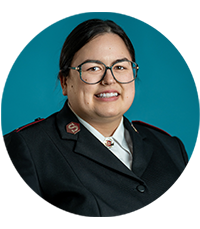
CAPTAIN CRYSTAL PORTER is the divisional candidates secretary in the Atlantic Division and the territorial Indigenous ministries consultant.
Click on each year below to see the reconciliation journey unfold:
2005
SEPTEMBER
Aboriginal Ministries forum is held at Booth University College in Winnipeg
2014
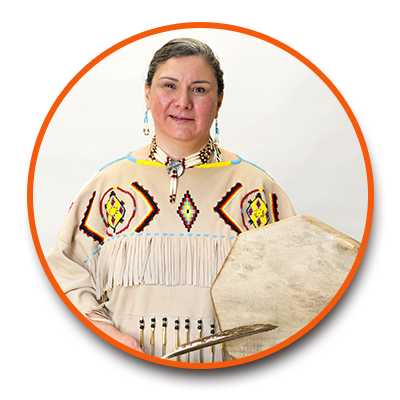 Mjr Shari Russell is appointed the first territorial Aboriginal ministries consultant. Initially a part-time role, it becomes full-time in 2015.
2015
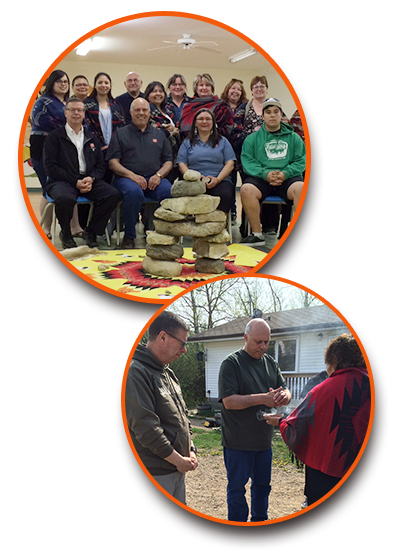 2015-2016
Aboriginal ministry roundtable discussions are held across the territory
2016
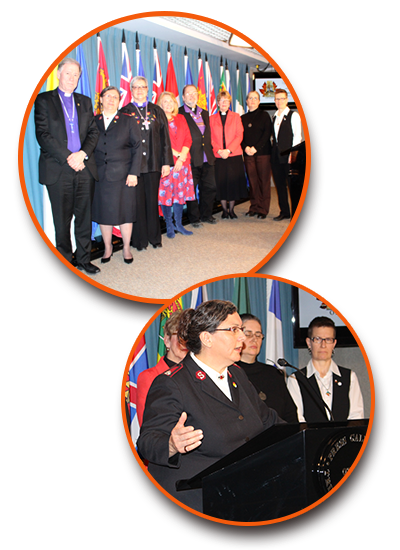 Territorial Truth and Reconciliation Committee is formed
MARCH 30
The Salvation Army in Canada and Bermuda affirms the United Nations Declaration on the Rights of Indigenous Peoples as a framework for reconciliation, in response to the Truth and Reconciliation Commission’s Call to Action #48
2017
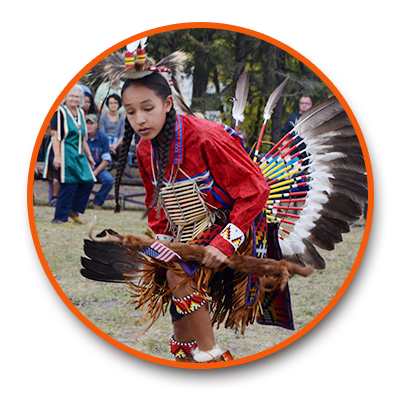
FEBRUARY
A Salvation Army delegation attends Hobiyee, the Nisga’a New Year celebrations, in Gitwinkshilkw, B.C.
JUNE
The then Prairie Division and Booth University College sign the Winnipeg Indigenous Accord
SEPTEMBER
The Salvation Army partners with Indigenous Pathways for the first annual Celebration of Culture at Pine Lake Camp in Alberta
2019
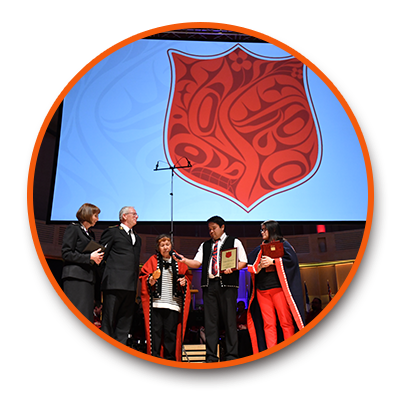
A new Salvation Army Gitxsan shield, designed by artist Michelle Stoney, is unveiled at congress and commissioning events in British Columbia
2021
SEPTEMBER
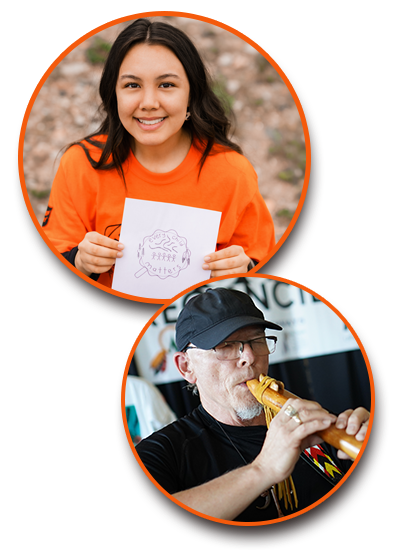
The Canadian government establishes the National Day for Truth and Reconciliation, also known as Orange Shirt Day, to be held each year on September 30. The Salvation Army recognizes this day as a statutory holiday and marks it with events across the territory, with a T-shirt designed by young Salvationist Trinity Murphy-Dicker
The Salvation Army creates an Indigenous artist series with Mohawk musician Jonathan Maracle
2022
JULY
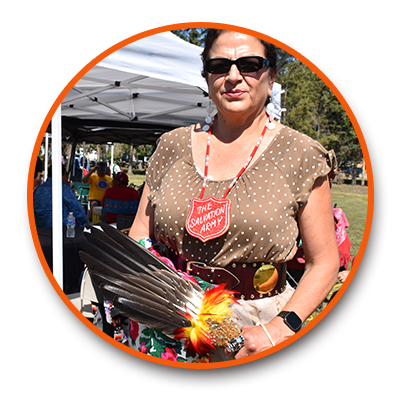
An Indigenous liaison role is created for emergency disaster services, with subsequent liaison roles throughout the territory
2023
JULY
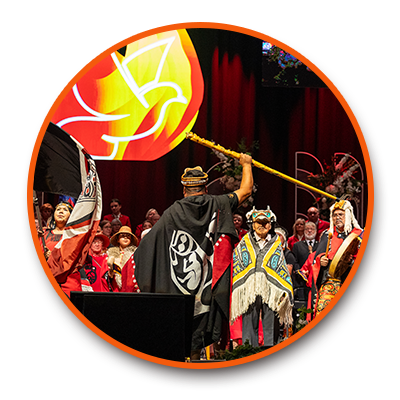
The Nisga’a Four Crest Dancers from Gitwinkshilkw, B.C., perform at the INSPIRE Conference and Congress in Toronto
2024
The first annual culture camp is held at Camp Mountainview, B.C.
Beaver Creek Camp in Saskatchewan partners with iEmergence, a member of Indigenous Pathways, for family culture camp
New Indigenous ministries website is launched
2025
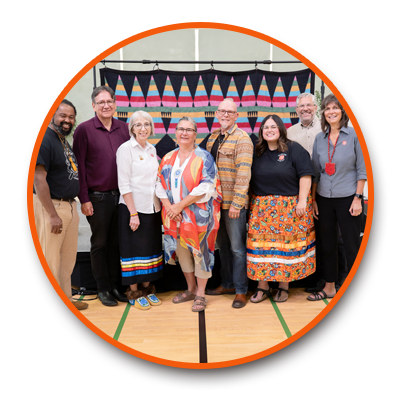
Ontario Division hosts annual Celebration of Culture
This story is from:



Thank you Captain Crystal for the tremendous work you continue to do with regard to Indigenous Ministries, and thank you Major Shari for the foundational work you have laid!