


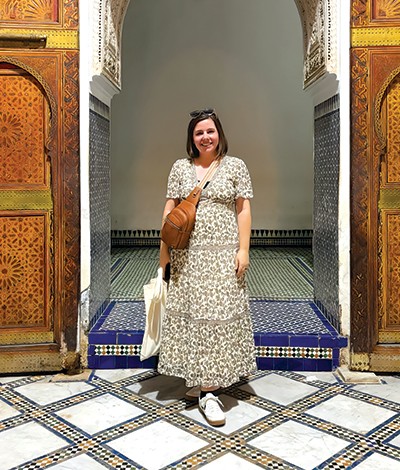
I knew visiting the Marrakech souks—the famous markets of its walled old city— would be a highlight of my trip to Morocco earlier this year. Instagram reels and travel blogs promised that the experience would be a feast for the senses, as vibrant colours, scents and sounds saturated every nook and cranny of the maze-like network of shops and stalls, selling everything from carpets and leather goods to spices and ceramics.
While navigating the souks one day, my travel companion and I met two sisters who invited us to visit their small stall, offering local hospitality in the form of a free henna tattoo and, of course, plenty of shopping.
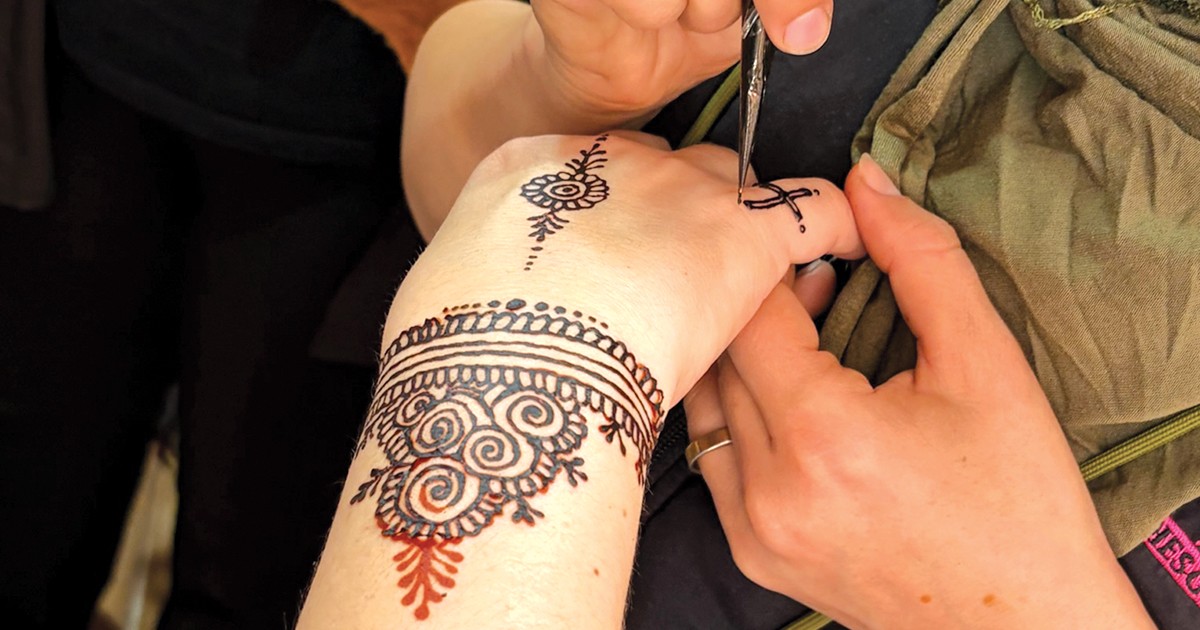
As the henna artist drew intricate designs on our wrists and hands, we chatted away in a beautiful mix of English, French and Arabic unique to international travel, exchanging details of our lives. Eventually the conversation turned toward vocations, and we were asked what we did for work. My travel companion is a teacher, and that proved easily translated. When I shared that I am a pastor, however, it was clear that this word wasn’t one our new Muslim friends understood.
After some searching for the right words, we finally described the role as someone who leads a group of people who worship Jesus.
At the mention of Jesus, understanding dawned. This was a name that was known and understood in this Islamic country. Upon confirming that, yes, I love Jesus, the henna artist picked up my hand, and lovingly drew a cross on my baby finger, pointed to it, and confirmed, “This means Jesus, yes?”
I agreed. “Yes, this means Jesus.”
I was struck with the rare beauty of this moment. Without any hint of condemnation or agenda, I was able to share my faith with a Muslim woman, who in turn celebrated my religion without needing to defend her own.
I wish this encounter could be multiplied the world over.
The United Nations Universal Declaration of Human Rights identifies religious freedom as a fundamental human right. However, this right is not always upheld, and religious persecution is still prevalent in our world. Even when religious freedom is legally protected, people often experience animosity and divisiveness, if not outright hostility or violence, when sharing their faith.
I love that The Salvation Army has an International Positional Statement (IPS) on religious freedom that not only calls for the ability to fulfil our mission to preach the gospel of Jesus Christ but also advocates for religious freedom for people of all faiths.
As Christians, when we think of religious freedom, we often think only of the persecution of Jesus followers. But if we are to see the image of God in all of humanity, then we must lament religious persecution in all forms.
The Salvation Army’s IPS shares that religious freedom “fosters acceptance and tolerance, which are much needed in a troubled world, and contributes significantly to social cohesion and living in harmony.” It goes on to say that “The Salvation Army believes that the right to choose or practise a religion is an important part of life for all people around the world and continues to promote a world where people of all faiths can live and grow together in peace and harmony.”
This was certainly my experience as I shared about my faith and culture and learned about the faith and culture of my new Moroccan friends in return. Our posture of mutual respect for each other’s faiths allowed us to come together with kindness and humility.
The IPS on religious freedom outlines in its practical responses that “Salvationists are encouraged to share their faith authentically and sensitively, while also honouring and valuing the freedom, choices and rights of others.”
Perhaps that is what religious freedom looks like at its best: not simply the freedom to hold and share our own beliefs, but the freedom to encounter one another with openness, humility and respect. That small henna cross drawn on my finger in a Marrakech souk became a reminder that sharing our faith does not require us to diminish someone else’s. When we honour the dignity and freedom of others, we create space not only to speak about what we believe, but to listen, learn and live together well.
CAPTAIN LAURA VAN SCHAICK is the corps officer at Barrhaven Church in Ottawa, and the territorial gender equity officer.
This story is from:


Leave a Comment