In the district of Makueni, east Kenya, the rains failed in October, November and December 2010. The resultant drought and crop failures have left 2.6 million people in need of food aid.
Following consultation with the Government Agriculture Office, The Salvation Army was asked to provide food to 388 families in an area that the government was struggling to assist. A Salvation Army team distributed a two-week ration of maize, beans and cooking oil to relieve distress at this difficult time.
The most appropriate beneficiaries were chosen after discussions with community leaders and staff from local non-governmental organisations.
Sowing Hope
With the help of The Salvation Army, conservation agriculture brings lasting change in Malawi.
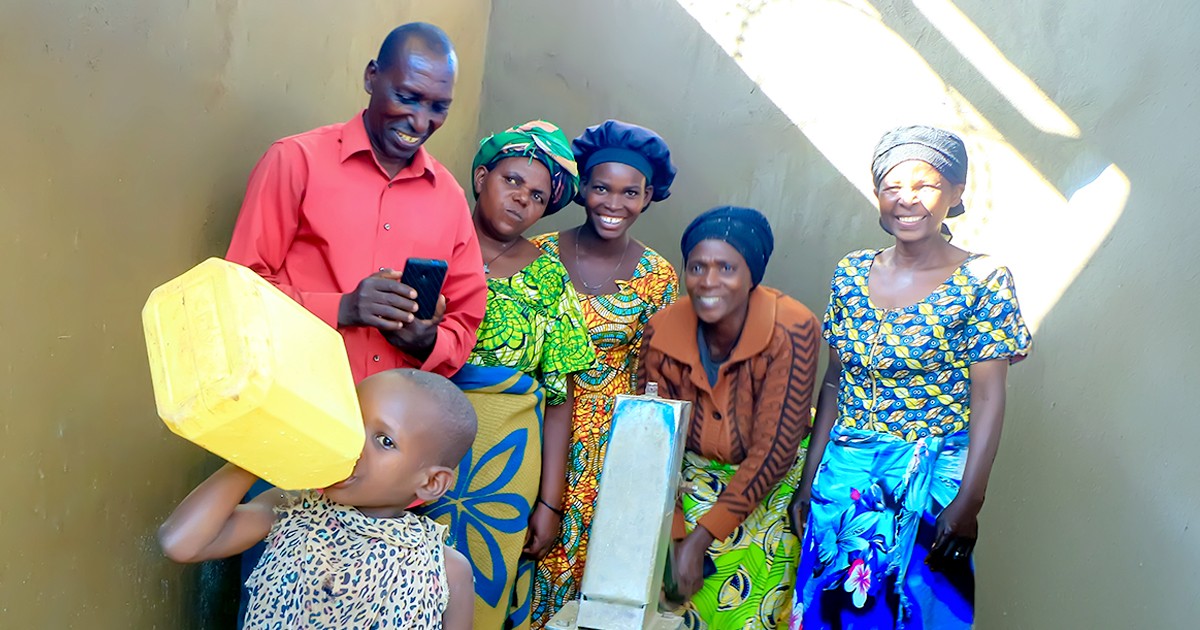
By Manjita Biswas Faith & FriendsIn Malawi where a significant portion of the population experiences economic hardship, nearly 70 percent of the population live on less than $2.15 a day, and most families depend on small-scale farming plots smaller than a hectare. Droughts, soil degradation, crop disease and lack of access to improved farming practices have long left many vulnerable to hunger and poverty.
In response, The Salvation Army, in partnership with Canadian Foodgrains Bank (CFGB), is implementing a three-year sustainable agriculture and food security (SAFS) project in Malawi’s Mangochi District.
Busking for a Cause
Ten-year-old raises $300 for Newfoundland and Labrador wildfire relief.
By Nathan Reid-Welford Faith & FriendsTen-year-old Zander Wright decided to help others who needed help in the wake of the devastating forest fires that came close to Conception bay, N.L., by utilizing a unique skill—playing the accordion.
Salvation Army Report Reveals Sharp Rise in Job Insecurity, Cost-of-Living Stress
2025 Canadian Poverty and Socioeconomic Analysis reveals growing anxiety over finances, jobs and essential needs
NewsThe Salvation Army surveyed more than 1,500 Canadians to better understand their attitudes, behaviours and experiences on issues such as the availability of housing and food, general affordability and related health outcomes.


Leave a Comment