



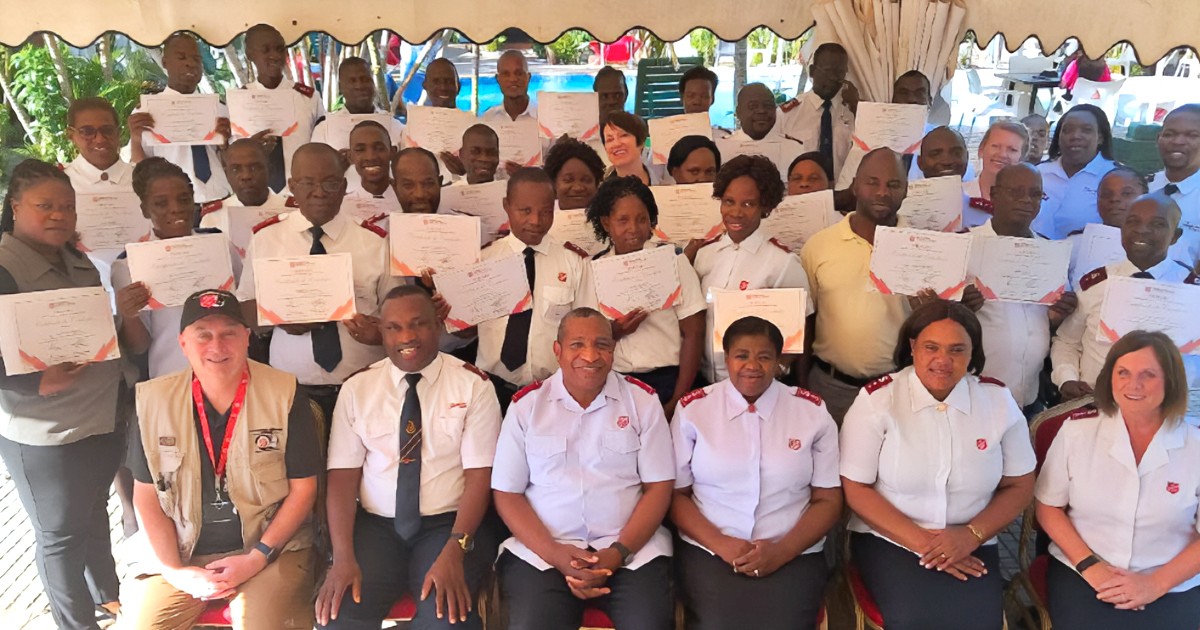
In October, The Salvation Army held training in Rwanda to equip leaders and responders with the skills needed to prepare for, mitigate and respond to emergencies effectively, as part of the Army’s ongoing commitment to strengthen disaster preparedness across the Africa Zone.
This initiative, led by International Headquarters and supported by the Canada and Bermuda Territory, built on the training shared in Maputo, Mozambique, in May 2025.
Before the Storm
In Mozambique, a nation where nature often turns fierce, where cyclones swirl in from the Indian Ocean and flooding disrupts lives with little warning, this training was more than timely—it was essential. Mozambique also bears the scars of conflict and displacement, compounding the vulnerability of its communities. For decades, The Salvation Army has stood on the front lines of crisis response here.
Now, Salvation Army officers and soldiers are being equipped not only to respond with compassion and effectiveness when disaster strikes, but also to anticipate it, prepare for it and help build resilience long before the storm arrives.
The training week began with a sense of excitement and anticipation as delegates gathered, ready to engage in learning and growth. Each morning started in a spirit of worship, voices lifted in song, Scripture shared and prayers offered. It was a sacred space, a holy rhythm that set the tone for all that followed. Above all else, God’s presence was unmistakable, and the room echoed with the joy and reverence of it: “For where two or three gather in my name, there am I with them” (Matthew 18:20). His presence filled the room each day, strengthening hearts for the work ahead.
Intensive Training
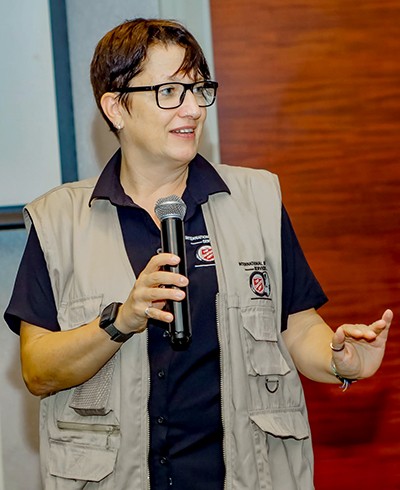
services director, addresses delegates in Rwanda
Monday began with a course overview centred on The Salvation Army’s vital role in disaster relief and development. This led into a foundational discussion on hazards and disasters, sparking meaningful conversation and participation. Tuesday brought intensity and depth as the group explored human rights, Sphere humanitarian standards, the Army’s code of conduct, and protection and safeguarding principles.
Throughout the week, delegates engaged in dynamic group work that encouraged brainstorming, collaboration and the sharing of ideas. These sessions inspired practical solutions and fresh perspectives rooted in real-world application. Wednesday delved into the intricacies of the project cycle, focusing on the details of disaster response planning and implementation. Group projects offered hands-on insight into the complexity of disaster scenarios and emphasized the need for co-ordination, communication and teamwork. Despite the heavy content, there was time for some laughter and fun, reminding us that even in serious work, connection and camaraderie matter.
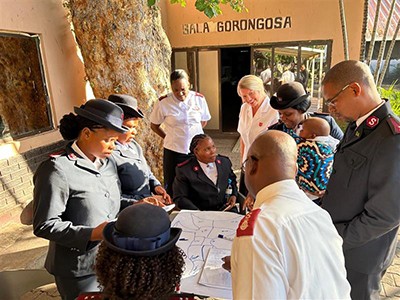
and challenged with detailed case studies
based on real disaster situations
By Thursday, after three days of intense learning and preparation, it was time to put knowledge into action. Delegates were divided into teams and challenged with detailed case studies based on real disaster situations. They had to respond quickly and effectively, drawing on all they had learned throughout the week. Some teams worked late into the night, reviewing, analyzing and deliberating with remarkable commitment.
Friday morning arrived, and with it, the presentations. It was inspiring to see how each team came together to deliver thoughtful, comprehensive disaster response strategies.
The presentations showcased not only a deep understanding of the challenges faced in emergencies, but also creative, realistic solutions built on collaboration, learning and shared purpose.
Ready to Stand in the Gap
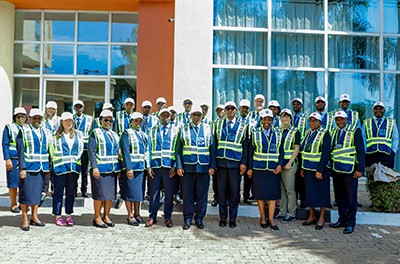
in Rwanda in October
As the week ended, it was clear that something powerful had taken place in Maputo. Beyond the lessons learned and the skills acquired, there was a renewed sense of purpose, a shared conviction that preparedness, compassion and community are vital in the face of disaster. The delegates didn’t just walk away with knowledge; they left empowered, united and ready to stand in the gap when crisis calls. The training was not just about responding to emergencies; it was about sowing seeds of resilience and hope, long before the storm ever arrives.
In a country shaped by both beauty and hardship, The Salvation Army in Mozambique continues to be a steady presence, raising leaders who will carry this mission forward with strength, wisdom and faith. Scripture says, “God is our refuge and strength, an ever-present help in trouble” (Psalm 46:1). Through these trained hands and faithful hearts—in Mozambique and Rwanda—his presence will be felt when people need it most.
Major Elaine Locke is the project campaign manager in the international development department.
For more photos, see the Rwanda Territory's Facebook photo album.


Leave a Comment