Salvation Army staff and volunteers are providing assistance to first responders and people affected by unprecedented wildfires in California. More than a quarter of a million people have been forced from their homes in a disaster that has already claimed at least 30 lives. 220 people remain unaccounted for and nearly 7,000 structures have been destroyed – more than in any other wildfire in the state’s history.
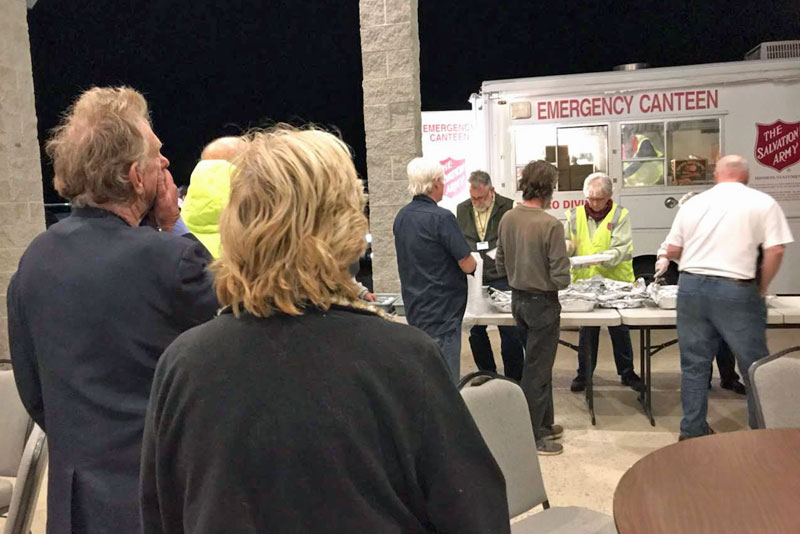
In northern California, Salvation Army staff and volunteers have been serving at six evacuation shelters in Butte County. At the time of writing, 7,370 meals had been supplied to evacuees and first responders, with some food being donated by local businesses. Salvation Army officers have also been praying with survivors in the shelters and offering emotional and spiritual care.
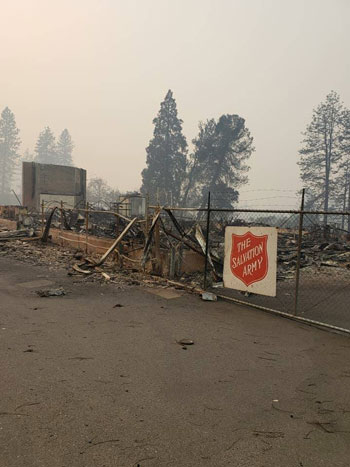
The remains of The Salvation Army centre in Paradise
Salvation Army properties have been affected by the so-called Camp Fire, with the social services office and thrift store in the town of Paradise burned to the ground.
In the southern part of the state, the Woolsey and Hill fires are burning close to Los Angeles. The Salvation Army has been mobilized to serve food to evacuees in Simi Valley, Newbury Park and Camarillo.
Marty Brown, executive director of The Salvation Army’s Camp Lawrence Daley at Mount Crags, Camp Gilmore and Camp Wilderness, near Malibu, surveyed the fire damage at the site before being evacuated by the fire service himself. He described Camp Wilderness, a section of the premises reserved for programs with vulnerable young people, as "a complete loss." Other structures at the camp were also totally destroyed. Forecasts of high winds, which could fan the flames, mean that other buildings and facilities remain in jeopardy.
As the provision of meals and essential items continues, The Salvation Army is preparing for the long-term recovery effort, even within its own camp. The need for assistance will increase as the wildfires continue to burn and thousands of displaced residents return home to find that their homes and livelihoods are gone.
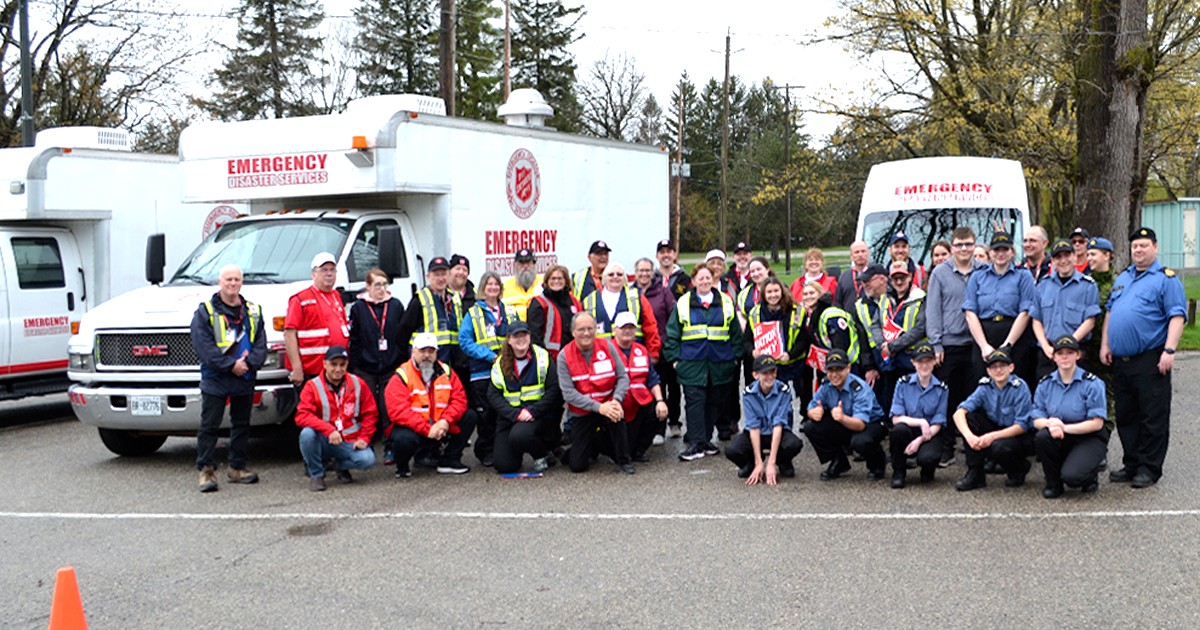
In Woodstock, Ont., a group of young sea cadets is developing vital leadership and disaster response skills through a unique partnership with The Salvation Army. Spearheaded by Trevor McLellan, emergency disaster services (EDS) specialist for the Ontario Division and sea cadet instructor, the program expands training opportunities for youth by
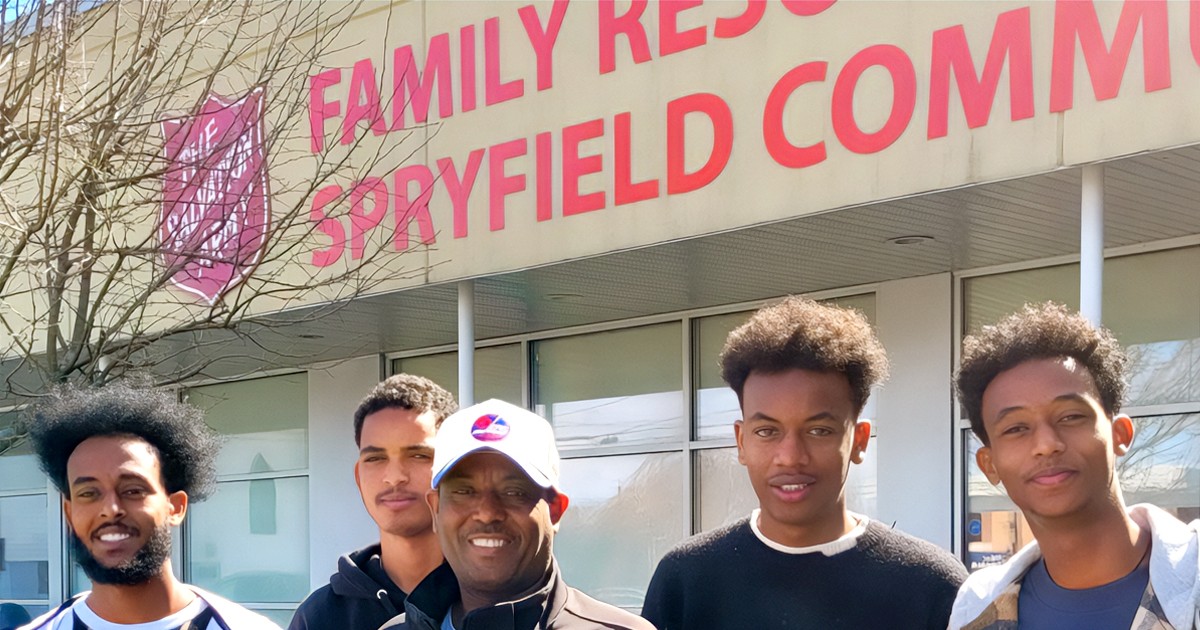
After 18 long years of separation, Samuel Habte-Fotto was finally reunited with his family this past spring in Halifax, due in part to the assistance of The Salvation Army.
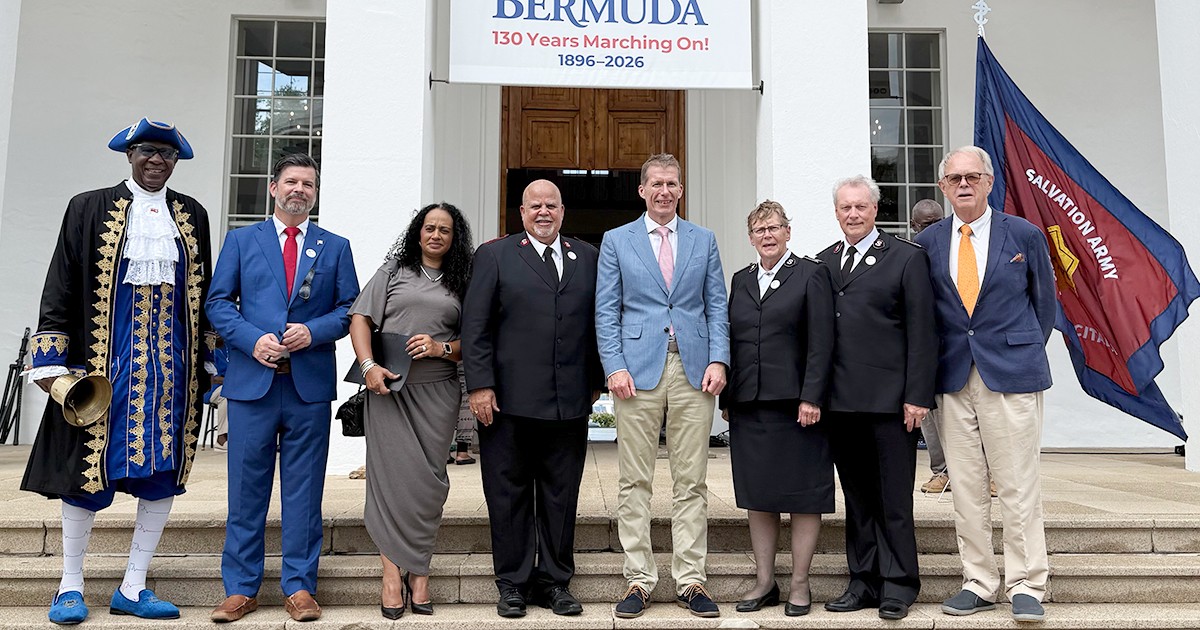
For 130 years, The Salvation Army has been a familiar presence in Bermuda, offering practical assistance, spiritual encouragement and hope to generations of island residents. That legacy was celebrated September 25-27, 2026, as Salvationists, community members and civic leaders gathered for a weekend of anniversary events that honoured the past while looking toward the future.



 The remains of The Salvation Army centre in Paradise


Leave a Comment