Seeing a doctor can be difficult at the best of times anywhere in Canada, and the Yukon Territory is no different. Noting that many people who are homeless experience even more difficulty in seeking medical attention, two local health organizations decided to take action and spoke to The Salvation Army's Whitehorse Corps.
“Nurses from the Yukon Home Care Program and the Kwanlin Dun First Nation Health Centre approached us and said they wanted to open a nursing drop-in clinic that would be open to anybody, but specifically for people who live on the street and don't have access to basic medical care. They needed a place to do it and asked if they could use our space,” says Captain Jeff Howard, corps officer.
“I thought it was a great idea, it fit with a need that was in our community and because the clinic was to be in our church building, which is next door to our emergency shelter, it was a familiar space for people who most needed the care.”
The nursing clinic operates once a week out of the Whitehorse Corps building for four hours from 11 a.m. to 3 p.m. Nurses meet patient's medical needs such as, dressing wounds, providing immunizations and giving foot care. Referrals, and even transportation, to further care is also provided when necessary.
The clinic operates over lunch, and so after receiving the required attention, patients can stop past the church's emergency shelter for a meal, as part of its daily feeding program.
“The nursing clinic has contributed to overall better health for our clients and an increased sense of dignity,” comments Captain Howard. “The community is also generally pleased that the government has taken the initiative and made this program happen.”
Comment
On Thursday, February 5, 2015, TedDicello said:
Thanks for share your opinion. Yes, It is the stage when senior required care, love, attention from their children like they do in the growing period of children. And there must be somebody who cares for him/her like a friend. I really like your article. Your community is doing great job. keep going.
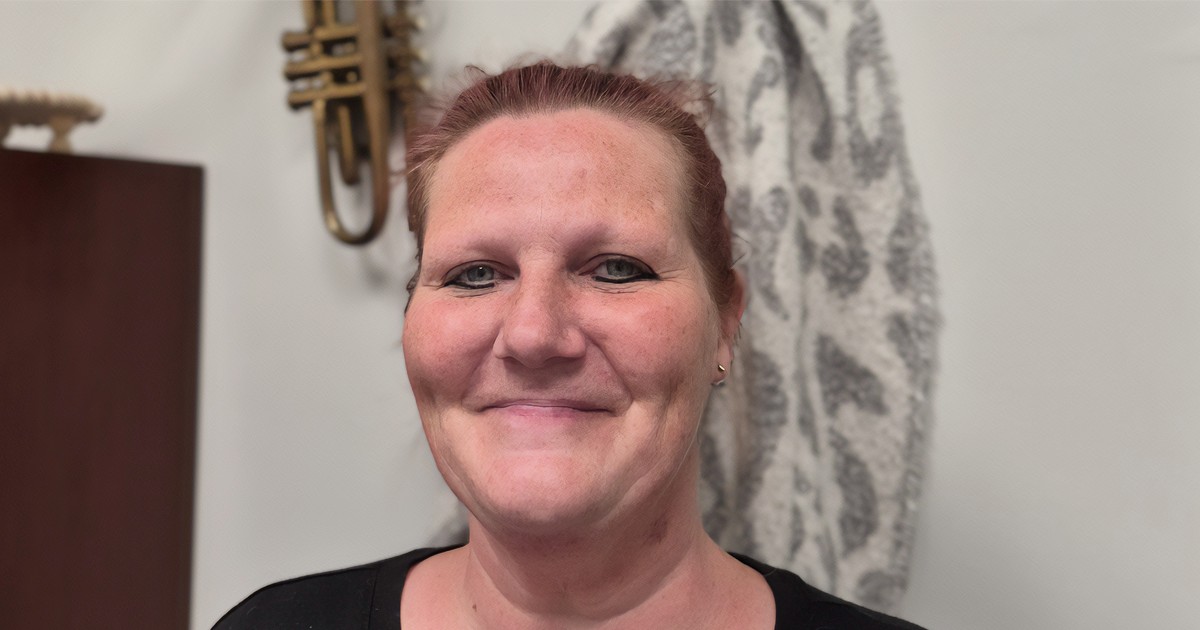
For Carrie, The Salvation Army became a place that represented support during a period of transition. “If anyone just needs someone to talk to or maybe needs beds, food, clothing, anything, The Salvation Army is always there for you,” she concludes.
Perhaps that is what religious freedom looks like at its best: not simply the freedom to hold and share our own beliefs, but the freedom to encounter one another with openness, humility and respect.
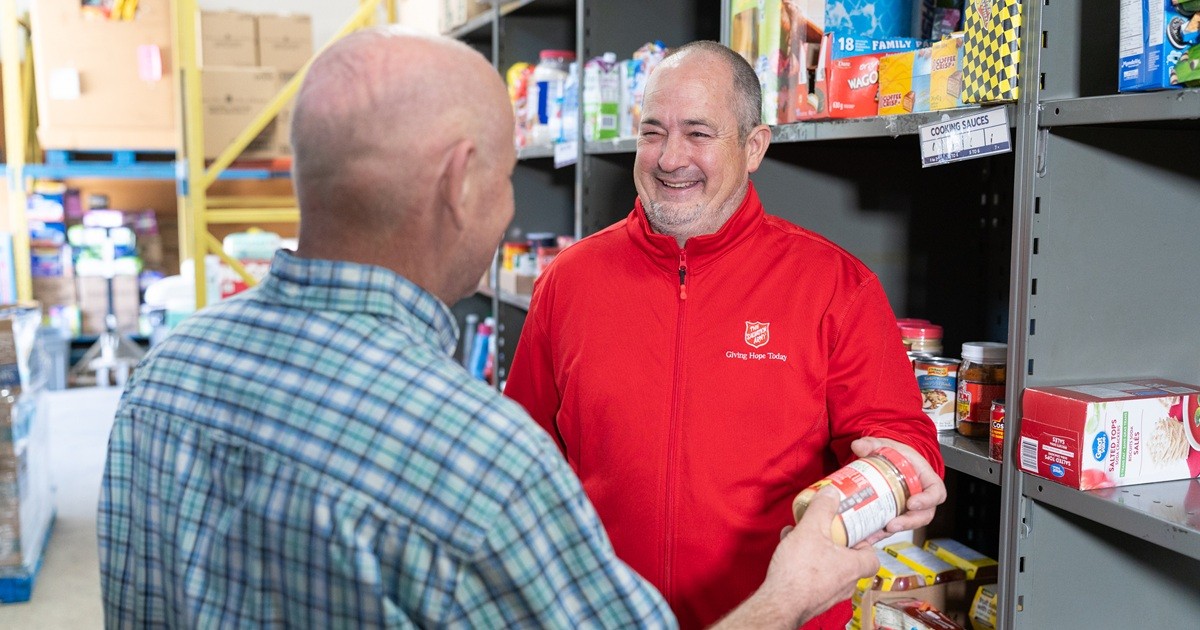
Nearly one in three Canadians are skipping or reducing meals because they can't afford groceries, according to a new national report from The Salvation Army, as financial pressures continue to force households to make difficult choices about everyday necessities. The Salvation Army's 2026 Canadian Poverty and Socioeconomic Analysis reveals that








Comment
On Thursday, February 5, 2015, TedDicello said:
Leave a Comment